




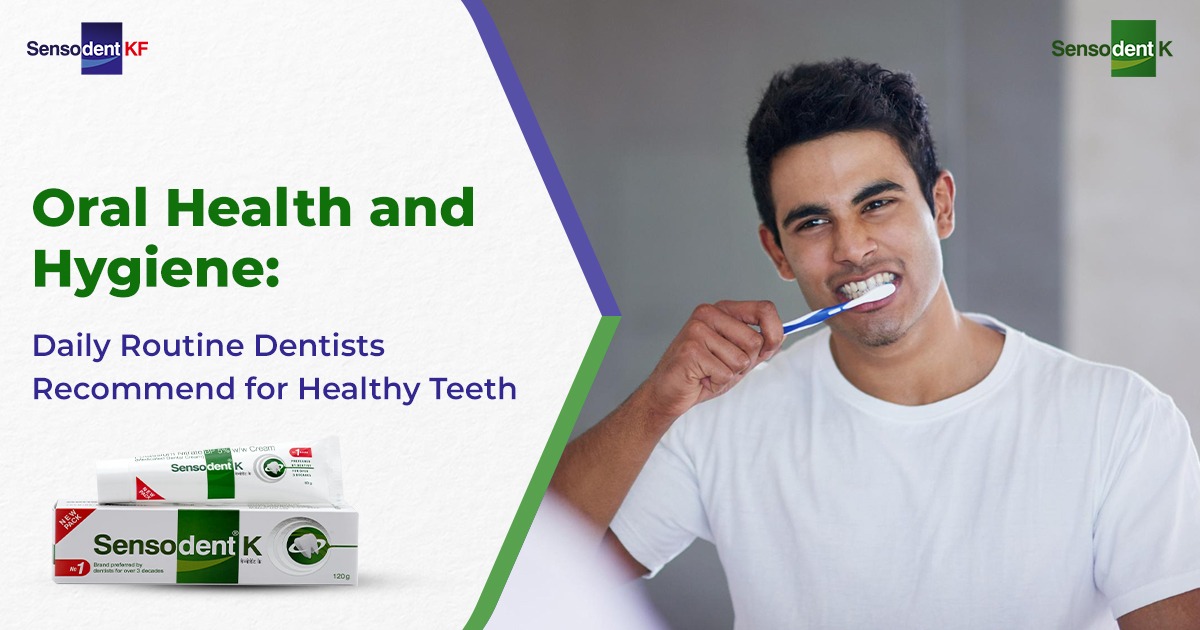
Oral health and hygiene go far beyond just having clean-looking teeth. A well-planned daily routine helps prevent cavities, gum disease, bad breath, and long-term dental problems, keeping your mouth healthy at every stage of life. Dentists consistently emphasise that small, consistent habits practised daily make the biggest difference to overall oral health.
What Is Oral Health and Hygiene?
Oral health and hygiene are closely connected, but they are not the same thing. Understanding the difference helps you take better care of your mouth and build habits that lead to healthy teeth and gums over time.
Oral Health Definition
Oral health refers to the overall condition of your mouth. It includes the health of your teeth, gums, tongue, and other oral tissues, as well as the absence of problems like cavities, gum disease, infections, or bad breath.
What Is Oral Hygiene?
Oral hygiene involves the daily practices you follow to keep your mouth clean and free from disease. This includes brushing, flossing, cleaning the tongue, and maintaining habits that reduce plaque buildup and bacterial growth.
Difference Between Oral Health and Oral Hygiene
Oral hygiene is what you do every day, while oral health is the result of those actions. Good oral hygiene habits lead to strong teeth, healthy gums, and overall oral health in the long run.
Why Oral Hygiene Matters for Overall Health
Oral hygiene isn’t just about having clean teeth or a bright smile—it plays an important role in your overall health. Problems in the mouth can often signal deeper health issues, making daily oral care essential for long-term well-being.
Maintaining good oral hygiene helps prevent the spread of harmful bacteria beyond the mouth and supports the body’s ability to stay healthy and balanced.
Link Between Oral Health and Body Health
Poor oral hygiene can allow bacteria to enter the bloodstream, increasing the risk of infections and inflammation. Studies have linked unhealthy gums to conditions such as heart disease, diabetes complications, and respiratory infections, showing that oral health is closely connected to body health.
Impact on Confidence and Quality of Life
Healthy teeth and gums improve more than just physical health—they boost confidence. A clean smile supports clear speech, fresh breath, and self-assurance in social and professional interactions, contributing to a better quality of life overall.
What Happens If You Neglect Oral Hygiene?
Neglecting oral hygiene allows harmful bacteria to grow unchecked in the mouth. Over time, this leads to a range of dental problems that not only affect teeth and gums but can also impact overall health and comfort.
Cavities
Without regular brushing and cleaning, plaque builds up on teeth and produces acids that weaken enamel. This eventually leads to cavities, causing sensitivity, pain, and visible tooth damage.
Gum Disease
Poor oral hygiene allows bacteria to settle along the gum line, leading to inflammation, swelling, and bleeding gums. If left untreated, gum disease can progress and damage the supporting structures of the teeth.
Bad Breath
Bacteria and trapped food particles are a common cause of persistent bad breath. Without proper cleaning, these bacteria release unpleasant odours that brushing alone may not easily eliminate.
Tooth Loss
Advanced cavities and gum disease can weaken teeth and the surrounding bone. Over time, this may result in loose teeth or complete tooth loss.
Plaque and Tartar Buildup
When plaque is not removed regularly, it hardens into tartar, which cannot be removed by brushing alone. Tartar buildup increases the risk of cavities and gum disease and often requires professional cleaning.
Dentist-Recommended Daily Oral Care Routine
A healthy mouth isn’t built through occasional effort but through a consistent daily routine. Dentists recommend simple, effective habits that work together to protect teeth, gums, and overall oral health.
Following a structured oral care routine helps prevent cavities, gum disease, bad breath, and long-term dental problems—regardless of age.
Brush twice a day with the right technique
- Brush in the morning and before bed using gentle, circular motions. This removes plaque without damaging enamel or irritating gums.
Use a fluoride toothpaste
- Fluoride helps strengthen enamel and protect against cavities. Using a trusted fluoride toothpaste daily supports long-term tooth protection.
Clean between teeth daily
- Floss or use interdental cleaners to remove food particles from areas a toothbrush cannot reach. This step is crucial for preventing cavities and gum disease between teeth.
Clean your tongue
- The tongue holds bacteria that cause bad breath and plaque buildup. Gentle tongue cleaning improves oral hygiene and freshness.
Rinse after meals when possible
- Rinsing your mouth with water after meals helps wash away food debris and reduce acid buildup, especially when brushing isn’t possible.
Limit sugary and acidic snacks
- Reducing frequent sugar and acid exposure protects enamel and lowers the risk of cavities and sensitivity.
Replace your toothbrush regularly
- Change your toothbrush every three months or sooner if the bristles are worn. A fresh brush cleans more effectively.
Stay hydrated throughout the day
- Drinking enough water supports saliva production, which naturally cleanses the mouth and neutralises acids.
Morning Oral Hygiene Routine
Starting your day with the right oral hygiene habits helps remove overnight bacteria and prepares your mouth for meals ahead. A good morning routine sets the foundation for fresh breath, healthy teeth, and strong gums throughout the day.
Brush for 2 minutes
- Brushing for a full two minutes helps effectively remove plaque and bacteria that build up overnight. Use gentle circular motions to protect enamel and gums.
Clean tongue
- The tongue can hold a large amount of bacteria responsible for bad breath. Cleaning it daily improves freshness and supports better overall oral hygiene.
Use mouthwash
- Mouthwash helps reduce bacteria, freshen breath, and reach areas brushing may miss. Choose an alcohol-free option for daily use.
Drink water after waking
- Drinking water first thing in the morning helps wash away bacteria and activates saliva production. It also helps counter morning dryness.
Avoid sugary breakfast habits
- Sugary cereals, packaged juices, and sweetened drinks can trigger early acid attacks. Opting for less sugary choices helps protect enamel from the start of the day.
Night Oral Hygiene Routine
Night-time oral care is one of the most important steps in maintaining healthy teeth and gums. Since saliva flow reduces during sleep, cleaning your mouth thoroughly before bed helps prevent bacterial growth and tooth decay overnight.
- Brush before bed
Brushing at night removes food particles and plaque accumulated throughout the day. This prevents bacteria from feeding on leftovers while you sleep. - Floss thoroughly
Flossing before bed clears food and plaque from between teeth where a toothbrush can’t reach. This step helps prevent cavities and gum disease in hidden areas. - Avoid late-night snacking
Eating close to bedtime increases acid production in the mouth. Avoiding late-night snacks reduces the risk of overnight enamel damage. - Use fluoride toothpaste
Fluoride toothpaste strengthens enamel and protects teeth against decay while you sleep. It supports natural remineralisation during the night
Correct Brushing Technique Explained
Brushing daily is essential, but brushing correctly is what truly protects your teeth and gums. Using the right technique helps remove plaque effectively without damaging enamel or irritating the gums.
How Long to Brush
Dentists recommend brushing for at least two minutes each time. This allows enough time to clean all tooth surfaces thoroughly, including the back teeth that are often missed.
Proper Brushing Motion
Use gentle, circular or short back-and-forth motions rather than aggressive scrubbing. Brushing too hard can wear down enamel and cause gum recession, leading to sensitivity over time.
Choosing the Right Toothbrush
A soft-bristle toothbrush is ideal for everyday use as it cleans effectively without harming teeth or gums. Choosing the right brush size and replacing it every three months ensures better cleaning results.
Why Flossing Is Non-Negotiable
- Cleans between teeth where toothbrush bristles can’t reach
- Helps prevent cavities between teeth
- Reduces plaque buildup along the gum line
- Lowers the risk of gum disease
- Prevents tartar formation
- Supports fresh breath
- Complements daily brushing for complete oral care
Role of Mouthwash in Oral Care
Mouthwash plays a supportive role in daily oral care by reaching areas that brushing and flossing may miss. When used correctly, it helps reduce bacteria, maintain fresh breath, and strengthen overall oral hygiene as part of a complete dental routine.
How Diet Affects Oral Health
What you eat daily has a direct impact on the health of your teeth and gums. Certain foods encourage harmful bacteria and enamel damage, while others help protect teeth and support a healthy oral environment.
Sugary Foods Feed Bacteria
Sugary foods and drinks provide fuel for bacteria in the mouth. These bacteria produce acids that attack enamel and increase the risk of cavities.
Acidic Foods Weaken Enamel
Frequent consumption of acidic foods and beverages slowly erodes enamel. Weakened enamel makes teeth more sensitive and vulnerable to decay.
Crunchy Fruits and Vegetables Help Clean Teeth
Crunchy fruits and vegetables like apples and carrots help stimulate saliva and gently clean tooth surfaces. They also help remove food particles naturally while chewing.
Dairy Strengthens Teeth
Milk, curd, and cheese are rich in calcium and phosphates that support strong teeth and bones. Dairy also helps neutralise acids in the mouth.
Water Supports Saliva Production
Drinking enough water helps maintain saliva flow, which naturally washes away food debris and neutralises harmful acids. Water also helps prevent dry mouth.
Oral Hygiene Tips for Different Age Groups
Oral care needs change with age, lifestyle, and overall health. Adapting oral hygiene habits to suit different life stages helps prevent age-specific dental problems and supports long-term oral health.
Children
Children should be encouraged to brush twice a day with age-appropriate toothpaste and a soft-bristle toothbrush. Adult supervision is important to ensure proper brushing technique and to limit excessive sugary snacks that can lead to cavities.
Adults
Adults should maintain consistent brushing and flossing habits, along with regular dental check-ups. Managing stress, diet, and habits like smoking also plays a key role in maintaining healthy teeth and gums.
Seniors
Seniors may experience dry mouth, gum recession, or sensitivity, making gentle oral care essential. Regular dental visits, proper hydration, and continued daily hygiene help protect teeth and gums as they age.
Common Oral Hygiene Mistakes to Avoid
Even with good intentions, certain everyday habits can harm teeth and gums. Avoiding these common mistakes can significantly improve oral health and prevent long-term dental problems.
Brushing Too Hard
Brushing aggressively can wear down enamel and irritate gums. Over time, this leads to sensitivity and gum recession rather than cleaner teeth.
Skipping Flossing
Not flossing allows plaque and food particles to remain between teeth. This increases the risk of cavities and gum disease in hard-to-reach areas.
Not Replacing Toothbrush
Old, frayed bristles lose cleaning effectiveness and can harbour bacteria. Replacing your toothbrush every three months ensures better plaque removal.
Rushing Brushing
Quick brushing often misses key areas, especially back teeth and gum lines. Spending a full two minutes ensures thorough cleaning.
Ignoring Gum Bleeding
Bleeding gums are often an early sign of gum disease. Ignoring this symptom can allow the condition to worsen over time.
Signs of Good vs Poor Oral Hygiene
Your mouth often gives clear signals about how well your oral hygiene routine is working. Recognising these signs can help you make timely improvements before small issues turn into bigger dental problems.
Good Oral Hygiene
- Fresh breath
Consistently fresh breath indicates good cleaning habits and lower bacterial buildup. - Pink gums
Healthy gums appear firm and pink, showing the absence of inflammation or infection. - No pain
A pain-free mouth usually means teeth and gums are in good condition.
Poor Oral Hygiene
- Bleeding gums
Regular bleeding during brushing or flossing is often an early sign of gum disease. - Plaque buildup
Visible plaque or a rough feeling on teeth indicates inadequate cleaning. - Persistent bad breath
Ongoing bad breath is commonly caused by bacteria and trapped food particles.
How Often Should You Visit a Dentist?
Regular dental visits are essential even if your teeth feel fine. Routine check-ups help detect problems early, keep your oral hygiene on track, and prevent minor issues from becoming serious.
- Every 6 months for routine dental check-ups and professional cleaning
- Immediately if you experience tooth pain, sensitivity, or swelling
- If gums bleed frequently during brushing or flossing
- When you notice visible cavities, dark spots, or loose teeth
- More frequently if you have braces, gum disease, diabetes, or a history of dental problems
- As advised by your dentist based on age, oral health condition, and risk factors
FAQs About Oral Health and Hygiene
Maintaining good oral health often raises common questions about daily habits and routines. These quick answers help clarify the basics and guide better oral care decisions.
Q1. How many times should I brush daily?
Brush at least twice a day—once in the morning and once before bed—for effective plaque removal.
Q2. Is flossing really necessary?
Yes. Flossing removes food and plaque from between teeth where brushing cannot reach.
Q3. Can mouthwash replace brushing?
No. Mouthwash supports oral care but cannot replace brushing and flossing.
Q4. What is the best time to brush?
Brushing in the morning and before bedtime is ideal for maintaining oral hygiene.
Q5. How do I improve oral hygiene quickly?
Brush and floss daily, clean your tongue, avoid sugary foods, and follow a consistent routine.
When to See a Dentist Immediately
Some oral symptoms should never be ignored, as they may indicate serious dental issues. Prompt dental care helps prevent complications and long-term damage.
You should see a dentist immediately if you experience persistent tooth pain, facial or gum swelling, frequent bleeding gums, sudden sensitivity, or any visible damage to teeth or gums.
Key Takeaways
- Oral health depends on consistent daily hygiene habits and regular dental care
- Brushing twice a day and flossing daily are essential for healthy teeth and gums
- Diet and lifestyle choices directly affect oral health
- Mouthwash supports but does not replace brushing and flossing
- Ignoring early signs like bleeding gums or sensitivity can lead to serious problems
- Regular dental visits help prevent and detect oral issues early
- Good oral hygiene improves overall health, confidence, and quality of life