




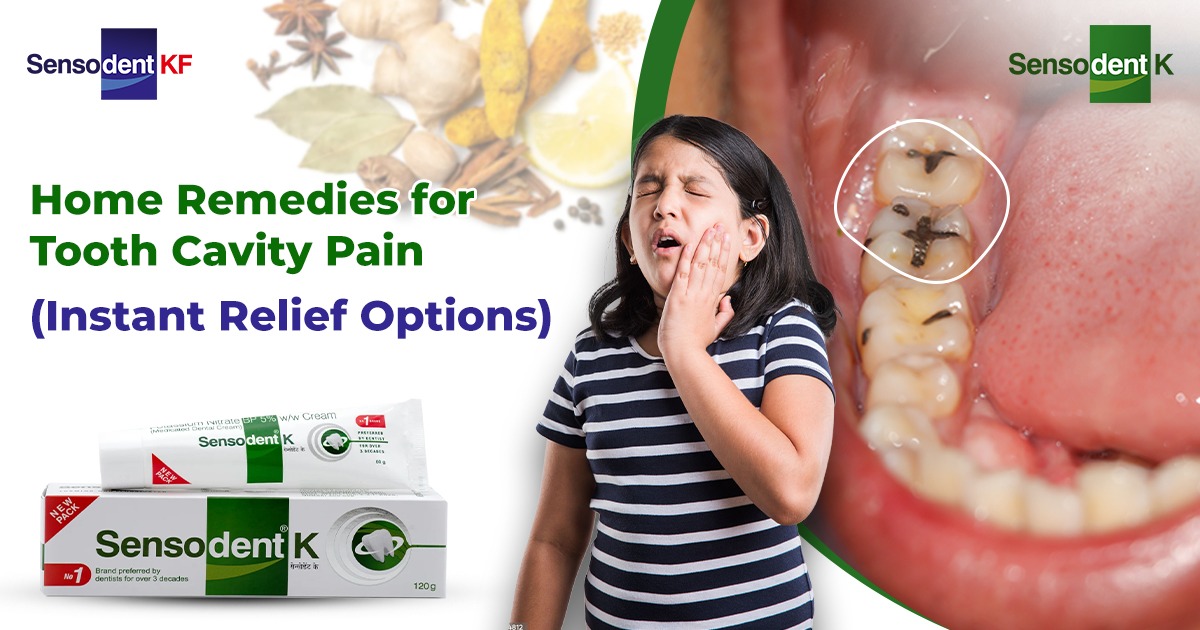
Tooth cavity pain can be sharp, throbbing, or constant. It often starts suddenly and can make eating, drinking, or even sleeping difficult. Many people in India try home remedies first to manage the discomfort before visiting a dentist.
While home remedies cannot cure a tooth cavity, certain measures can provide temporary relief from pain and sensitivity. Understanding what works, what does not, and when dental care is essential can help prevent complications.
This article explains the causes of tooth cavity pain, effective home remedies for short-term relief, foods to avoid, and signs that professional treatment is necessary.
What Causes Tooth Cavity Pain?
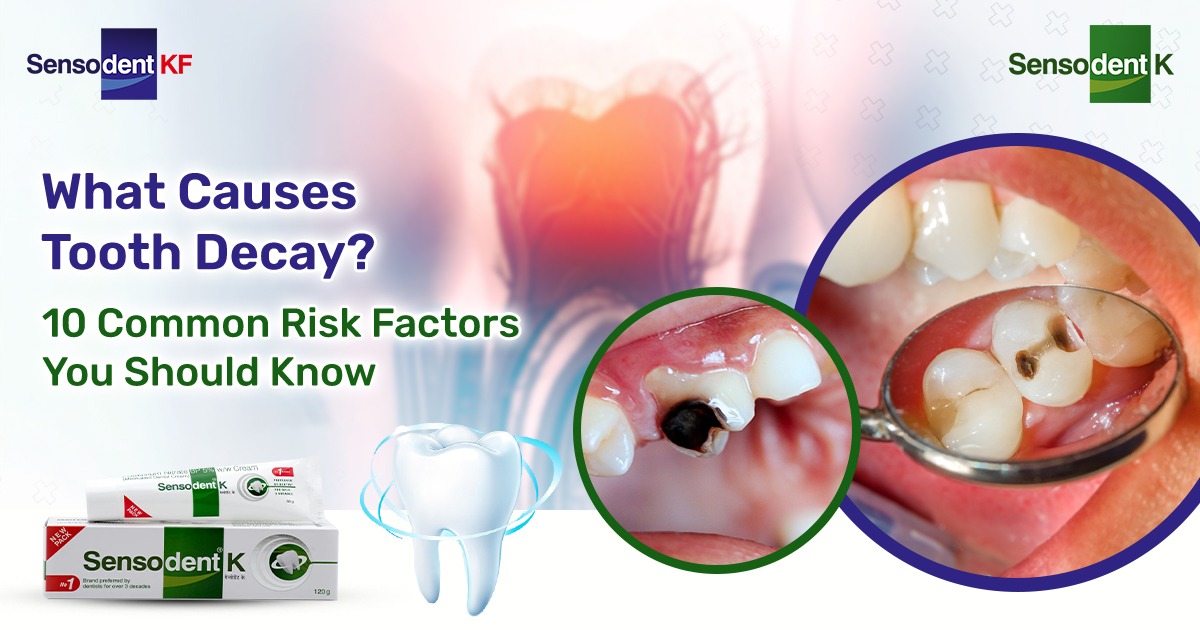
Tooth cavity pain occurs when decay damages the protective layers of the tooth. As bacteria break down enamel and dentin, they expose sensitive areas of the tooth.
Once the decay reaches the inner layers, the nerves inside the tooth react to temperature, pressure, and certain foods. This results in pain that may worsen over time. Deep cavities can also cause inflammation or infection, leading to severe discomfort.
Types of Tooth Cavity Pain You May Experience
Tooth cavity pain can vary depending on the stage and severity of decay.
Sharp pain triggered by hot, cold, or sweet foods
This type of pain occurs when exposed dentin reacts to temperature or sugar. It usually indicates early to moderate decay.
Dull, constant ache
A persistent ache suggests deeper decay and ongoing irritation of the tooth pulp.
Pain while chewing
Discomfort during biting often indicates structural weakening of the tooth or involvement of deeper layers.
Throbbing pain at night
Night-time pain can signal advanced decay or infection, as blood flow increases when lying down.
Pain radiating to the jaw or ear
This may happen when infection spreads beyond the tooth, affecting surrounding tissues.
Home Remedies for Tooth Cavity Pain (Instant Relief Options)
Home remedies are useful for temporary relief. They do not replace dental treatment.
Salt Water Rinse
Rinsing with warm salt water helps reduce inflammation and cleanse the affected area. It may also limit bacterial activity.
Cold Compress
Applying a cold compress externally to the cheek can help numb pain and reduce swelling.
Clove Oil
Clove oil contains eugenol, a natural pain reliever. Applying a small amount to the affected area can temporarily reduce discomfort.
Garlic Paste
Garlic has antibacterial properties. Crushing fresh garlic and applying it carefully to the painful area may help reduce pain for a short time.
Turmeric Paste
Turmeric has anti-inflammatory properties. A paste made with turmeric and water may offer mild relief.
Oil Pulling
Swishing coconut oil in the mouth for a few minutes may help reduce bacterial load, though relief is usually minimal.
Over-the-Counter Pain Relief
Non-prescription pain relief tablets can be used if required. Prolonged use without dental advice should be avoided.
What Home Remedies Can and Cannot Do
Home remedies may help reduce pain and inflammation temporarily. However, they do not repair damaged enamel or stop the progression of decay.
Ignoring professional treatment while relying only on home remedies allows the cavity to deepen. Dental intervention is necessary to address the root cause.
Foods to Avoid When You Have Tooth Cavity Pain
Certain foods can aggravate cavity-related pain and should be avoided.
- Sugary foods and sweets
- Very hot or very cold items
- Sticky snacks like caramel or toffees
- Acidic fruits and juices
- Hard foods that require heavy chewing
- Carbonated and aerated drinks
Oral Care Practices That Help Reduce Cavity Pain
Good oral hygiene supports pain control and prevents further damage.
Brush gently twice a day using a soft-bristled toothbrush. Avoid aggressive brushing, as it can worsen sensitivity. Rinse your mouth after meals to remove food particles. Maintain routine oral care even if the tooth is painful, but do so gently.
When Home Remedies Are Not Enough
Home remedies should only be used as a short-term measure. You should consult a dentist immediately if:
- Pain lasts more than 48 hours
- Swelling develops in the gums or face
- Fever or general discomfort occurs
- Pain spreads to the jaw or head
- Chewing becomes difficult
- Sleep is disturbed due to tooth pain
Can Sensitive Toothpaste Help with Cavity Pain?
Sensitive toothpaste can help manage pain caused by exposed dentin. It works by calming the nerve response inside the tooth.
While it may reduce discomfort, it does not treat the cavity itself. Sensitive toothpaste is best used as a supportive measure until proper dental treatment is received.
Tooth Cavity Pain vs Tooth Sensitivity
Tooth sensitivity usually causes brief discomfort in response to specific triggers like cold or sweet foods. It often improves with proper care.
Cavity pain tends to worsen over time and may become constant. Pain during chewing or at night is more commonly associated with cavities. A dental examination is required to confirm the exact cause.
Frequently Asked Questions (FAQs)
Can home remedies permanently cure tooth cavity pain?
No. Home remedies provide temporary relief but cannot cure tooth decay.
How long does relief from home remedies last?
Relief may last for a few hours. Pain often returns if the cavity is untreated.
Is clove oil safe for daily use?
Occasional use is safe. Excessive or prolonged use can irritate gums.
When should I stop home remedies and see a dentist?
If pain persists, worsens, or is accompanied by swelling or fever, dental care is necessary.
Conclusion
Home remedies can provide temporary relief from tooth cavity pain, especially in the early stages. However, they are not a substitute for professional dental treatment.
Ignoring cavity pain can lead to infection and serious complications. Timely dental care remains the most effective way to treat tooth cavities and prevent long-term damage.
Try Sensodent Toothpaste for Gentle Daily Care of Sensitive Teeth
Tooth cavity pain often comes with sensitivity, making regular brushing uncomfortable. Using a toothpaste formulated for sensitive teeth helps maintain daily oral hygiene without added discomfort.
Combined with dental treatment and proper oral care habits, it supports better oral health and long-term comfort.