




Tooth cavities are one of the most common dental problems in India. Yet, they are often ignored until pain becomes severe. This happens because cavities usually begin silently, without noticeable discomfort.
A tooth cavity develops slowly due to bacterial activity in the mouth. If detected early, treatment is simple and painless. When ignored, it can progress into deep decay, infection, and even tooth loss. Knowing how cavities form and recognising early signs can help prevent serious dental issues.
This article explains what a tooth cavity is, how it develops, its early signs, stages, and when you should consult a dentist.
What Is a Tooth Cavity?
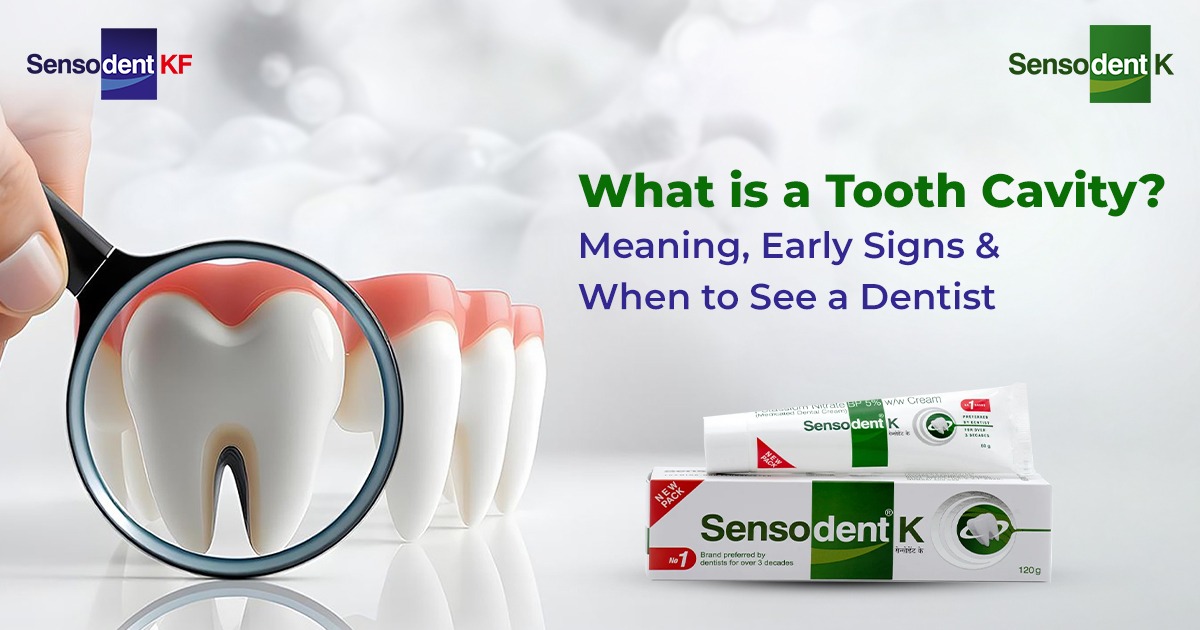
A tooth cavity is a permanently damaged area on a tooth that results in a hole or pit. It forms when the hard outer layer of the tooth, known as enamel, is destroyed by acids produced by bacteria.
Cavities are a form of tooth decay. They can affect any tooth and are commonly found on chewing surfaces, between teeth, or near the gum line. Without treatment, cavities continue to grow and weaken the tooth.
Tooth Cavity Meaning Explained Simply
In simple terms, a tooth cavity means decay of the tooth structure. Bacteria present in dental plaque feed on sugars from food and produce acids.
These acids slowly weaken the enamel. Once the enamel is damaged, bacteria can reach the inner layers of the tooth. At this stage, the tooth becomes sensitive and more prone to infection. A formed cavity does not heal on its own and requires dental care.
How Does a Tooth Cavity Form?
Tooth cavities do not develop overnight. They form gradually through repeated acid attacks on the teeth.
Plaque, a sticky layer of bacteria, continuously forms on teeth. If brushing and flossing are inadequate, plaque remains on the tooth surface. The bacteria in plaque convert sugars and carbohydrates into acids.
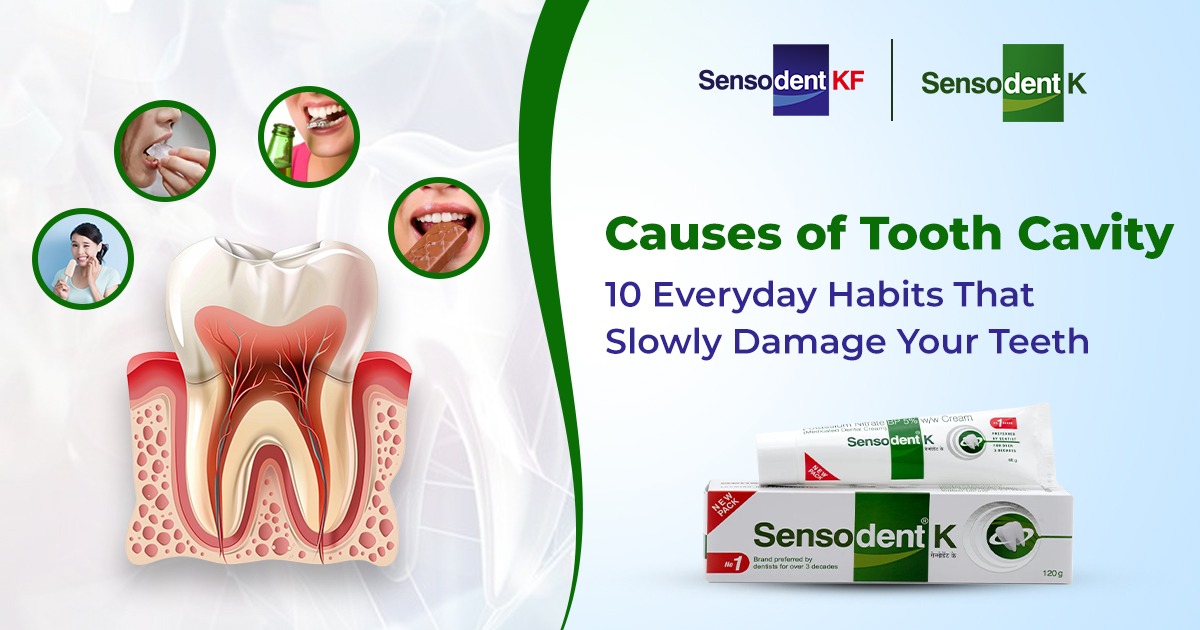
Frequent intake of sweets, sugary tea or coffee, soft drinks, and snacks increases acid production. Over time, these acids weaken the enamel and allow decay to spread deeper into the tooth. Poor oral hygiene and irregular dental checkups significantly increase the risk.
Early Signs of Tooth Cavity You Should Not Ignore
In the early stage, cavities may not cause pain. However, some warning signs should not be ignored.
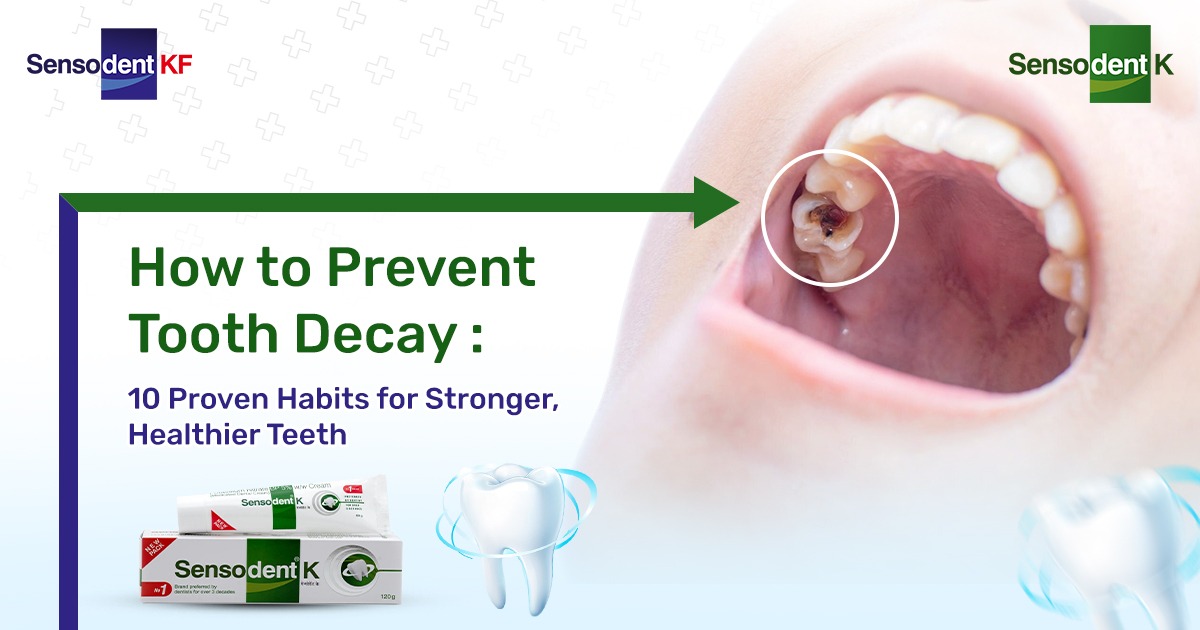
You may notice mild sensitivity to sweet, hot, or cold foods. White, brown, or black spots can appear on the tooth surface. Food may repeatedly get stuck in the same area. Identifying these signs early allows for easier and less invasive treatment.
Stages of Tooth Decay
Tooth cavities progress in stages, each with increasing severity.
Enamel Demineralisation
This is the earliest stage, where minerals are lost from the enamel. White or chalky spots may appear, but there is usually no pain.
Enamel Decay
At this stage, the enamel surface begins to break down. Small cavities form and mild sensitivity may occur, especially to sweets or cold foods.
Dentin Decay
Decay reaches the dentin layer beneath the enamel. Sensitivity increases, and pain may occur while chewing or eating.
Pulp Damage
In the advanced stage, infection reaches the tooth pulp, which contains nerves and blood vessels. Severe pain, swelling, and infection can develop. Root canal treatment or tooth extraction may be required.
Common Symptoms of a Tooth Cavity
A tooth cavity may present with one or more of the following symptoms:
- Sensitivity to hot, cold, or sweet foods
- Toothache that comes and goes
- Pain while chewing or biting
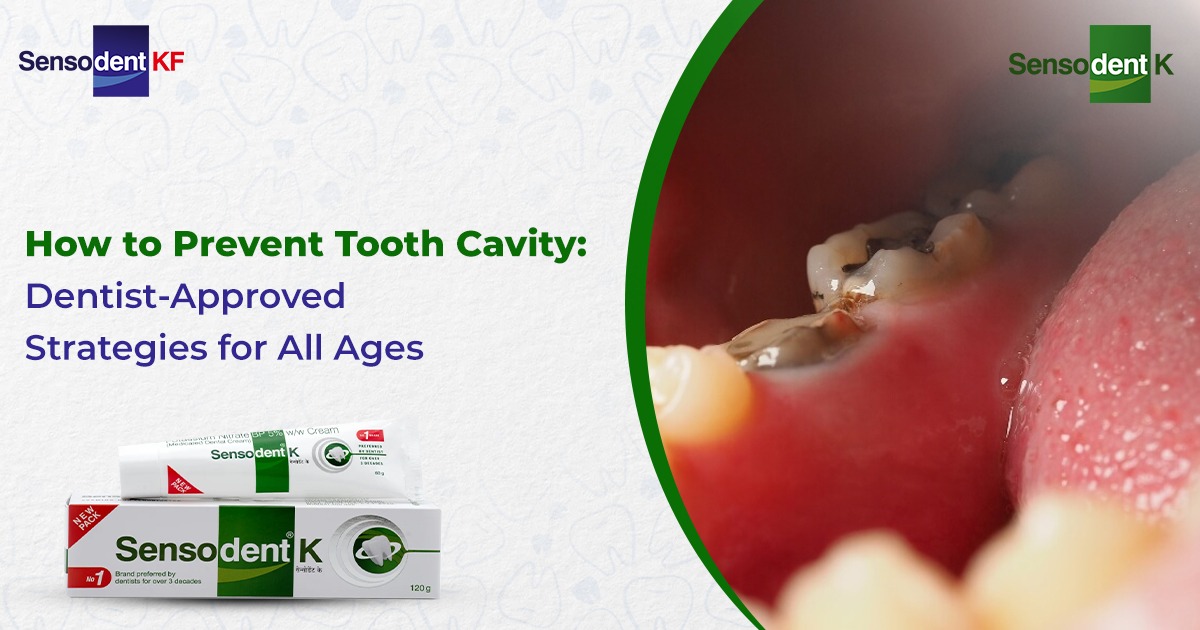
- Visible holes or pits in the teeth
- Discolouration on the tooth surface
- Persistent bad breath
When Should You See a Dentist for a Tooth Cavity?
You should consult a dentist if tooth pain lasts more than a day or sensitivity does not subside quickly. Visible cavities, swelling in the gums, bleeding, or pus discharge require immediate professional attention.
Repeated food lodgement in the same area and worsening discomfort are also clear signs that dental treatment should not be delayed. Early intervention helps preserve the tooth and avoid complex procedures.
Can Tooth Cavities Heal on Their Own?
No. Once a cavity forms, it cannot heal naturally. Only very early enamel damage may be slowed with good oral hygiene and fluoride use.
Ignoring a cavity allows decay to spread deeper, increasing the risk of infection, severe pain, and tooth loss. Dental treatment is the only permanent solution.
Tooth Cavity vs Tooth Sensitivity
Tooth sensitivity is a symptom and can occur due to enamel wear, gum recession, or exposed dentin. It may fluctuate and improve with proper care.
A tooth cavity, on the other hand, is a physical defect in the tooth structure caused by decay. Unlike sensitivity, cavities worsen over time if left untreated. A dental examination is necessary to distinguish between the two.
How to Prevent Tooth Cavities
Preventing cavities depends on consistent daily habits and regular dental care.
Brush your teeth twice daily using a soft-bristled toothbrush and correct technique. Limit sugary foods and beverages, and rinse your mouth after meals. Regular dental checkups help detect early signs of decay. Using toothpaste suitable for sensitive teeth encourages thorough brushing without discomfort.
Frequently Asked Questions
Is a tooth cavity painful in the early stage
Most early cavities do not cause pain and are often detected during routine dental checkups.
How fast can a tooth cavity develop?
Cavity development can take months or even years, depending on diet, oral hygiene, and individual risk factors.
Can children and adults get cavities equally?
Yes. Cavities affect all age groups. Children are at higher risk due to frequent snacking and inadequate brushing.
Does sensitivity always mean a cavity?
No. Sensitivity can have several causes. Persistent or worsening sensitivity should be evaluated by a dentist.
Conclusion
Tooth cavities are common but largely preventable. Ignoring early warning signs can lead to pain, infection, and extensive dental treatment.
Maintaining good oral hygiene, monitoring symptoms, and seeking timely dental care are essential for long-term oral health and comfort.
Try Sensodent Toothpaste for Daily Oral Care and Sensitivity Protection
Tooth sensitivity often discourages proper brushing, increasing the risk of cavities. Using a toothpaste formulated for sensitive teeth allows gentle and consistent oral care.
When combined with regular brushing habits and routine dental visits, it supports healthier teeth and helps prevent discomfort related to sensitivity and early decay