




Build Your Personal Cavity-Protection Routine
Partner With Your Dentist for Long-Term Protection
We’ve all been there when, after finishing a long day, we love sinking into bed and telling ourselves, “I’ll skip brushing just this once.†Now imagine doing that a few times a week, plus consuming frequent sugary drinks, quick desserts, and rushing through morning brushing. It all feels harmless in the moment, but this is exactly how tiny, invisible mineral loss slowly turns into visible, painful tooth decay over time.
But don’t worry! Tooth decay is preventable when you build the right habits and, most importantly, stick to them. Research has consistently shown that simple, repeated actions such as brushing with Fluoride, limiting sugary foods/drinks, and regularly visiting your dentist can dramatically cut the risk of cavities at any age.
So, Can Tooth Decay Really Be Prevented?
Brushing your teeth at least once a day with toothpaste that has fluoride can cut your chances of getting cavities by about half compared to brushing less often or using toothpaste without fluoride. Fluoride helps protect and strengthen your teeth and is better at fighting the acids that cause decay. This means you are much less likely to get new cavities if you brush daily with fluoride toothpaste. Combine a fluoride toothpaste with good flossing, dietary control, and dental sealants (as advised by the dentist) to protect the majority of your tooth surfaces from decaying.
What Causes Your Teeth to Decay?
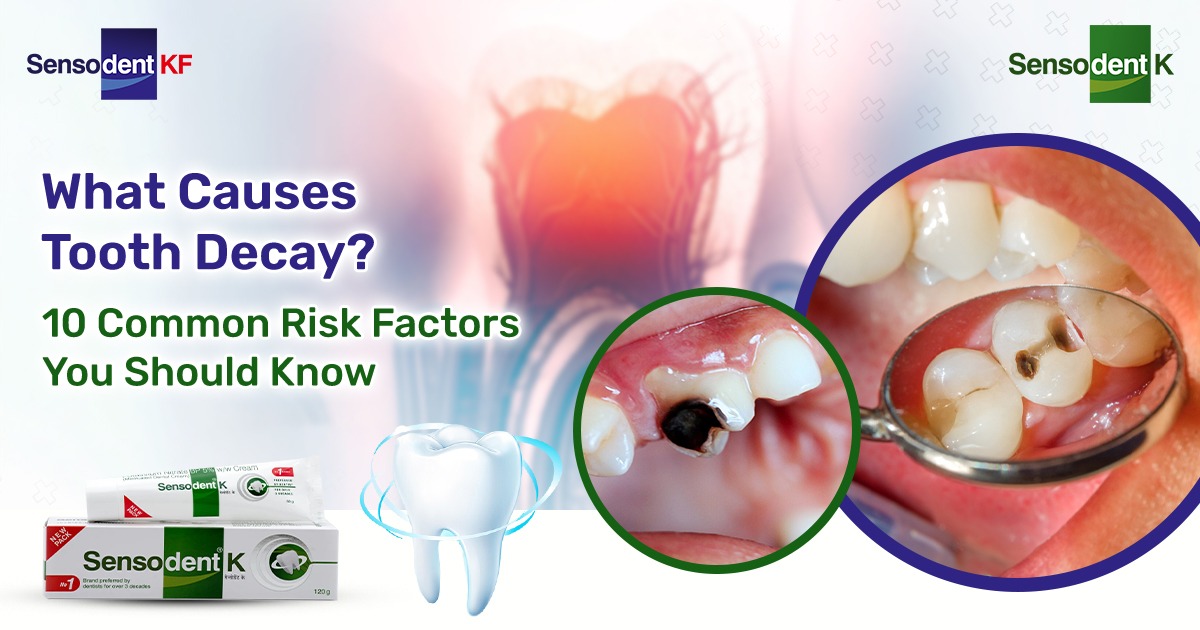
Tooth decay occurs when the bacteria in the plaque feed on starches and sugars from food and drinks, producing acids that eventually dissolve your tooth’s outer mineral layer (enamel). Over time, these repeated “acid attacks†will cause tiny weak spots that turn into full-blown cavities if they’re not demineralised with saliva and fluoride.
You are more likely to get tooth decay if you do these things: consume a lot of sugar, have inconsistent or poor dental hygiene, and have low protective factors like fluoride or saliva. Other factors that increase the risk of tooth decay are genetics and medical conditions. However, strong habits are still influencing factors in how fast the decay develops.
Top 10 Proven Habits For Healthier Teeth
Brush twice a day, preferably with fluoride toothpaste.
When it comes to dental hygiene, brushing is a non-negotiable. But how you brush is just as important as how often. Use a pea-sized amount of fluoride toothpaste on a soft toothbrush. Brush each tooth’s front, back, and top with short back-and-forth or circular strokes. Brush gently for at least 2 minutes, then spit and rinse with water or fluoride mouthwash. Fluoride will help remineralise early acid damage and will make the enamel more resistant to future attacks. This is essential to stop early decay from turning into a cavity.
Floss once a day.
Toothbrush bristles often can’t reach the tight spaces between your teeth. This is where the plaque and food particles can easily get trapped. Meticulous flossing between the tooth surfaces, especially in children with low fluoride exposure, reduces caries risk in those areas by approximately 40%. Flossing also helps reduce gum inflammation, protects the roots and supporting bones that are responsible for keeping your teeth stable.
Rinse with mouthwash, not just water.
A quick water rinse is perfect after meals, will wash away loose food particles, but won’t offer the same protective effect as an antimicrobial or fluoride mouthwash. Several daily oral-care guides will recommend using a fluoride or antibacterial mouthwash (along with brushing) to reduce bacterial load and strengthen the enamel.
When buying mouthwash, look for an alcohol-free, fluoride mouthwash especially if you have sensitivity or a dry mouth. Swishing the mouthwash in your mouth for 30-60 seconds once or twice a day will help clean the areas that might get missed by brushing or flossing giving your teeth an extra defensive layer against acid-producing bacteria.
Cut down your intake of sugary snacks and drinks.
The problem isn’t how much sugar you consume, it’s how often. Systematic reviews of dietary sugars and caries have found that more frequent daily sugar intake is linked with higher risk of dental caries, with a marked increased risk of sugar if consumed more than 3 times a day.
Sugary snacks or drinks create an acid attack that can last anywhere between 20-30 minutes. If you sip and snack on sugary food through the day, your teeth never get a break.
Drink more water
Water is the most underrated, simplest tooth-protection tool you can find. It washes away food debris, dilutes acids, and supports the flow of saliva which naturally buffers acids to supply minerals such as calcium and phosphate to strengthen the enamel. Fluoridated drinking water delivers low-level fluoride exposure helping reduce decay over time, particularly on smooth tooth surfaces. Talk to your dentist about whether you need any additional fluoride from your toothpaste, mouthwash, or professional treatments.
Dental Sealants help protect your teeth
Dental sealants are thin, protective coatings that are applied to the chewing surfaces or your back teeth (molars) to block the entry of food and bacteria settling into deep groves. Public health data has shown that sealants can prevent up to 80% of the cavities in the back teeth over 2 years, where roughly over 90% of the cavities occur in children.
Sealants are perfect for teens and kids once their permanent molars erupt, but adults with deep grooves and early, non-cavitated lesions can benefit too. The procedure for the same is painless, quick and can offer protection for several years before needing to repair or reapplication.
Strength your enamel with professional Fluoride treatments
Professional fluoride treatments add a powerful layer of protection for people who are at a higher risk for tooth decay due to dry mouth, medical reasons, braces, previous history of multiple cavities. Clinical studies have shown that consistent exposure to fluoride from professional applications, or toothpaste will reduce new caries by enhancing the remineralisation and hardening the weakened enamel.
A dentist may apply a fluoride gel, varnish, or foam during your appointment that can last anywhere from 3-12 months, depending on your risk level. For some, high-fluoride prescription toothpaste or customised fluoride tray may be recommended for at-home use to further lower the risk of decay.
Enhance your oral health with tooth-friendly diets
A tooth-friendly diet doesn’t just mean cutting down on sugar. It’s more about supporting your mouth’s natural defense. A diet that includes high fibrous fruits and vegetables will stimulate the production of saliva, while dairy products like milk, curd, and cheese will provide calcium and phosphates to remineralise the enamel.
Remember that sticky, refined carbohydrates and sugar feeds acid-producing bacteria and keeps the mouth in a more acidic state. Build a diet around whole foods, healthy fats, protein and complex carbohydrates to create an environment where cavities struggle to develop.
Visit your dentist every 6 months.
Even perfect home routines can’t replace professional examinations and cleanings. Dental organisations recommend check-ups every 6 months. People who are at a higher risk for decay or gum disease, might need more frequent dentist visits.
A dentist can successfully detect early white-spot lesions (the initial mineral loss stage) long before you feel pain and can thus intervene in time with fluoride, sealants, or recommend behavioral changes before a drill is even needed. Regular cleanings will reduce the buildup of tartar and plaque from areas you can’t reach at home.
Protect your teeth from grinding and unhealthy habits.
Yes, tooth decay is driven by bacteria and acids but our habits wear or damage the enamel making it easy for decay to take hold. Night time grinding (bruxism), aggressive brushing, chewing ice, nail biting, and opening packets or caps with your teeth can all chip or thin the enamel and expose the more vulnerable surfaces.
If you wake up with jaw soreness, headaches or notice flattened or chipped teeth, ask your dentist if you need a night guard to protect your teeth while you sleep. Switch to a soft brush, use a gentle technique, and break destructive habits and it will preserve your enamel so it can better withstand everyday challenges.
Build your personal cavity-protection routine
Choose a preventative plan that works best for you without overwhelming you. A simple core routine includes brushing twice a day, flossing once a day, controlling sugar frequency and visiting your dentist regularly. This is enough as a protection guide for most people.
Apart from that, you can layer in extra defences with fluoride mouthwash, sealants and professional fluoride treatments if you’re at high risk dur to hereditary, medical conditions, or past decay. Think of it as building your “decay shield†in layers: basic daily habits, smarter food choices, and professional support working together.
Partner with Your Dentist for Long-Term Protection
Tooth decay is common, but it’s not the norm. Evidence shows that people who combine fluoride use, effective cleaning, controlled sugar intake, and regular dental care enjoy significantly lower cavity rates across their lifetime.