




Why Enamel Protection Matters
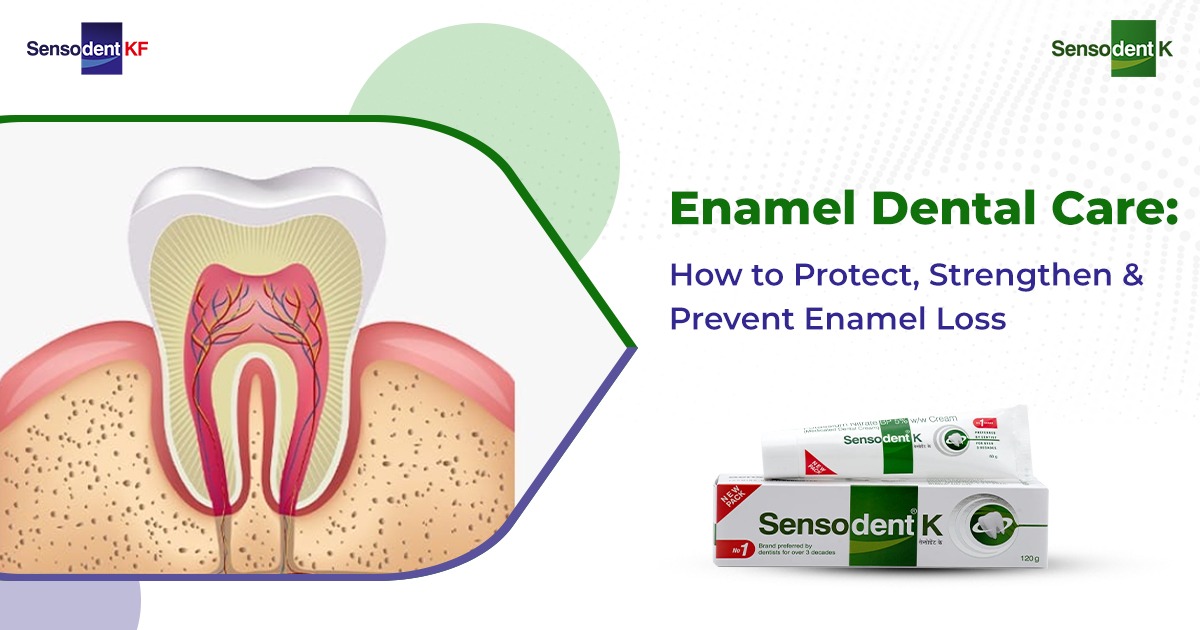
Tooth enamel is the hardest substance in the human body, but it is not indestructible. Once enamel wears away, it cannot grow back. This makes prevention the most important strategy for maintaining strong, healthy teeth. Protecting enamel helps prevent sensitivity, cavities, discoloration, and long-term dental damage.
Daily Habits That Protect Tooth Enamel
Small, consistent daily habits play a major role in preserving enamel. Making mindful adjustments to your routine can significantly reduce acid damage and mechanical wear over time.
Brush twice daily using gentle pressure
Brushing twice a day removes plaque and bacteria that produce enamel-eroding acids. However, brushing too hard can wear enamel down. Use light, circular motions rather than scrubbing aggressively.
Use a soft-bristle toothbrush
Soft bristles effectively clean teeth without causing unnecessary abrasion. Hard bristles may gradually erode enamel and irritate gums, especially when used with excessive force.
Avoid brushing immediately after acidic foods
After consuming acidic foods or drinks, enamel temporarily softens. Brushing right away can cause more harm than good. Wait at least 30 minutes to allow enamel to reharden.
Rinse mouth with water after meals
Rinsing with plain water helps wash away food particles and neutralize acids. This simple habit can reduce the amount of acid that sits on your teeth after eating.
Stay hydrated to support healthy saliva
Saliva plays a key role in neutralizing acids and restoring minerals to enamel. Drinking enough water throughout the day helps maintain healthy saliva flow.
Wear a night guard if grinding
Teeth grinding (bruxism) can gradually wear down enamel. A dentist-recommended night guard protects teeth from excessive pressure while you sleep.
How to Strengthen Weak Enamel
Although lost enamel cannot regenerate, weakened enamel can be reinforced through remineralization. This process restores essential minerals that help harden and protect tooth surfaces.
Remineralization through fluoride
Fluoride helps rebuild weakened enamel by attracting minerals like calcium and phosphate. It strengthens enamel structure and makes teeth more resistant to acid attacks from food and bacteria.
Role of saliva in enamel repair
Saliva naturally neutralizes acids and delivers minerals to tooth surfaces. A healthy saliva flow supports the natural repair process and helps prevent further enamel erosion.
Consistency over intensity
Aggressive brushing or overusing products does not strengthen enamel faster. Gentle, consistent care every day is far more effective in maintaining long-term enamel strength.
Best Toothpaste for Enamel Protection
Using the right toothpaste is essential for strengthening enamel and reducing sensitivity. Specially formulated enamel-care toothpastes support remineralization and help protect against future damage. Sensodent DPC is designed to help repair and protect weakened enamel while also providing relief from tooth sensitivity.
Ingredients that strengthen enamel
Fluoride
Fluoride promotes remineralization by helping minerals reattach to weakened enamel. It also increases enamel’s resistance to acid attacks from food, drinks, and plaque bacteria.
Calcium compounds
Calcium-based ingredients help replenish essential minerals lost during acid exposure. They support enamel density and play an important role in maintaining overall tooth strength.
Potassium salts
Potassium salts help reduce tooth sensitivity by calming the nerves inside the tooth. With regular use, they can make teeth less reactive to hot, cold, or sweet triggers.
Arginine
Arginine helps block open dentinal tubules that transmit pain signals to the nerves. It also supports a healthier oral environment that protects enamel from further damage.
How to use enamel toothpaste correctly
Brush twice daily using a pea-sized amount. Spit out excess foam but avoid rinsing immediately to allow the active ingredients more time to work. Use gentle strokes and brush for at least two minutes each time.
Diet Changes That Prevent Enamel Loss
Your diet directly affects enamel health. Acidic and sugary foods can accelerate enamel erosion, while nutrient-rich choices support stronger, more resilient teeth.
Limit acidic foods and drinks
Citrus fruits, sodas, and vinegar-based foods can soften enamel and make it more vulnerable to wear. Consuming them in moderation reduces how often enamel is exposed to damaging acids.
Avoid frequent snacking
Frequent snacking keeps acid levels elevated in the mouth throughout the day. Allowing time between meals gives saliva a chance to neutralize acids and help repair early enamel damage.
Include calcium-rich foods
Dairy products, leafy greens, and fortified foods provide calcium that supports enamel strength. Regular intake helps maintain mineral balance and overall dental health.
Eat crunchy fruits and vegetables
Foods like apples and carrots stimulate saliva production, which helps protect enamel naturally. Their texture also aids in gently cleaning tooth surfaces without causing harm.
Drink water after acidic meals
Water helps rinse away acids and food particles that cling to teeth. This simple habit reduces the risk of prolonged acid contact and enamel erosion.
Lifestyle Factors That Accelerate Enamel Damage
Certain habits and health conditions can speed up enamel loss if left unmanaged. Being aware of these risks allows for early prevention and better long-term protection.
Teeth grinding (bruxism)
Chronic grinding places excessive pressure on enamel, leading to gradual wear and thinning. Over time, this can cause sensitivity and increase the risk of tooth damage.
Frequent soda or energy drinks
These beverages are highly acidic and often contain large amounts of sugar. Together, they weaken enamel and increase the risk of erosion and decay.
Smoking and tobacco use
Tobacco reduces saliva flow, which is essential for neutralizing acids and protecting enamel. It also contributes to plaque buildup, increasing the risk of enamel damage.
Acid reflux (GERD)
Stomach acids that reach the mouth can repeatedly attack enamel surfaces. Long-term exposure can lead to significant enamel erosion if not properly managed.
Poor oral hygiene routines
Inconsistent brushing and flossing allow plaque acids to remain on teeth for longer periods. This increases the likelihood of enamel breakdown and tooth sensitivity.
Professional Ways to Protect and Strengthen Enamel
Dentists offer advanced treatments that help reinforce enamel and prevent further erosion, especially for individuals at higher risk.
Fluoride varnish treatments
Professional fluoride applications deliver a concentrated dose directly to the teeth. This strengthens enamel and provides added protection against acid attacks and decay.
Dental sealants and bonding
Sealants protect vulnerable areas of the teeth by creating a physical barrier against acids and bacteria. Bonding can restore surfaces that have already been affected by enamel wear.
Custom night guards
Custom-made night guards protect teeth from the pressure of grinding or clenching. They help prevent further enamel loss and reduce tooth sensitivity over time.
How to Prevent Enamel Loss Long-Term
Long-term enamel protection requires a combination of healthy habits, mindful diet choices, and regular professional care.
Maintain consistent oral hygiene
Brush and floss daily using proper technique to remove plaque and prevent acid buildup. Consistency is key to protecting enamel over time.
Manage acid exposure
Limit acidic foods and drinks whenever possible. Rinsing with water after consuming them helps reduce their impact on enamel.
Treat grinding and reflux early
Address bruxism and acid reflux as soon as symptoms appear. Early treatment can prevent ongoing enamel damage and sensitivity.
Schedule regular dental checkups
Routine dental visits help detect early signs of enamel wear. Timely intervention can prevent minor issues from becoming serious problems.
Follow dentist-recommended products
Using products designed for enamel protection supports daily remineralization. These products can strengthen teeth and reduce the risk of further erosion.
FAQs About Enamel Protection
Many people have questions about enamel care and whether damage can be reversed or prevented.
Q1. Can weakened enamel be strengthened?
Yes, weakened enamel can be strengthened through remineralization with fluoride and proper oral care. While lost enamel cannot grow back, the remaining structure can become stronger and more resistant to damage.
Q2. How long does it take to strengthen enamel?
Early improvements can begin within a few weeks of consistent care. However, maintaining strong enamel is an ongoing process that requires daily attention.
Q3. Does sensitivity mean enamel loss?
Sensitivity can be a sign of enamel wear, but it may also result from gum recession or other dental conditions. A dental examination is the best way to identify the exact cause.
Q4. Can enamel loss be stopped completely?
Enamel loss cannot be reversed once it occurs. However, it can often be slowed or stopped with proper oral care, diet changes, and professional treatment.
Key Takeaways
Protecting the enamel is essential because it cannot regenerate once lost. Gentle daily care, a balanced diet, enamel-strengthening toothpaste, and professional treatments all work together to maintain strong, healthy teeth for years to come.
Stronger Enamel Starts Here: Discover Sensodent DPC
Choosing the right toothpaste is a simple but powerful step toward better enamel protection. Sensodent DPC is specially formulated to help repair weakened enamel, reduce sensitivity, and support long-term dental strength as part of your daily oral care routine