




How to Prevent Tooth Enamel Loss
Conclusion
Your smile is more than just a reflection of confidence — it’s also a window into your oral health. At the very heart of this lies tooth enamel, the thin but incredibly strong outer layer that protects your teeth from daily wear and tear. Enamel is the hardest substance in the human body, even tougher than bone, yet once it starts eroding, it cannot regenerate. This makes enamel health a cornerstone of lifelong dental care.
The loss of enamel is not just a cosmetic concern. It exposes the sensitive inner layers of your teeth, leading to problems such as heightened sensitivity, discoloration, cavities, and in severe cases, tooth loss. What makes enamel erosion more alarming is its irreversible nature — once it’s gone, your dentist can only manage the damage, not replace what’s lost. That’s why awareness and timely action are critical.
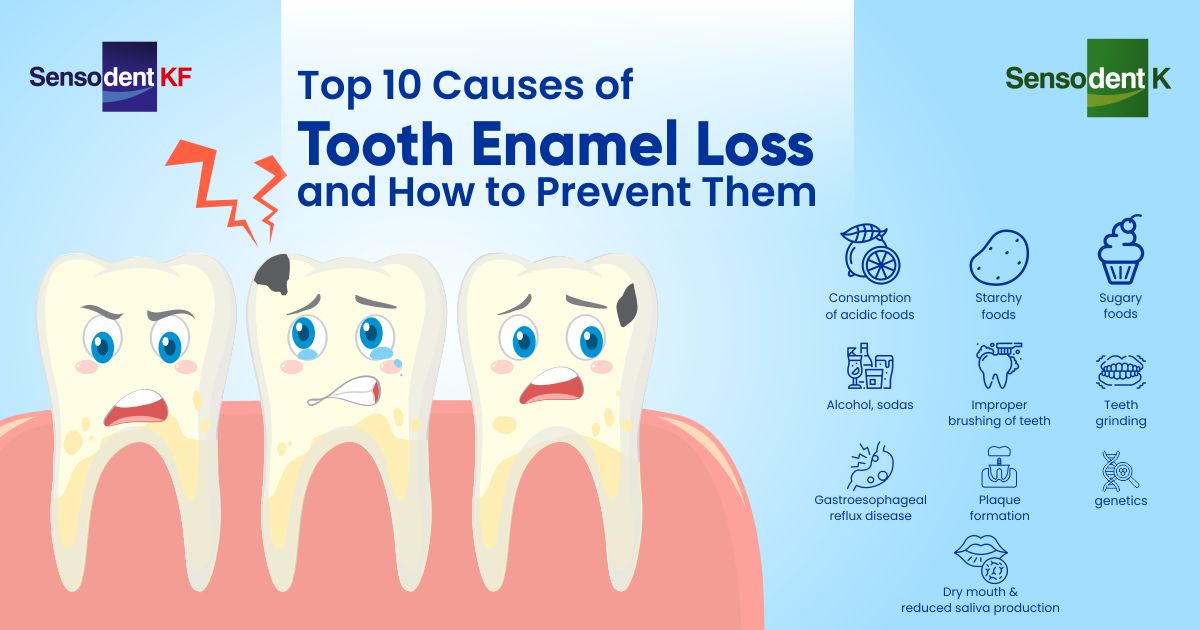
In this article, we’ll break down the Top 10 causes of tooth enamel loss — from everyday foods and lifestyle habits to underlying health issues. For each cause, we’ll explain how the damage happens, the risk signals to watch out for, and the immediate, practical steps you can take to protect your teeth. Whether you’re sipping chai, biting into a lemon, or grinding teeth at night without realising, small habits can have a big impact — and this guide is here to help you make smarter choices.
Related Blog: Tooth Enamel Loss: Stages, Causes, Signs, Treatment and How to Stop It Early
10 Causes of Tooth Enamel Loss
Enamel erosion rarely happens overnight. It’s a slow process, triggered by a mix of diet, lifestyle, and health conditions. The tricky part? Many of these causes come from everyday habits we don’t think twice about — from that fizzy drink at lunch to grinding teeth during sleep.
Below are the top 10 culprits of enamel loss, explained with their mechanisms, warning signals, and what you can do to prevent further damage.
1. Acidic Foods and Beverages
Citrus fruits, tomatoes, pickles, and soft drinks may be staples in many Indian households, but their high acid content is tough on enamel. Acids wear away the protective mineral structure of the enamel, leaving teeth more porous and vulnerable to sensitivity.
For example, lemons and oranges are rich in vitamin C — great for immunity, but their citric acid creates an acidic environment in the mouth. Over time, this repeated acid attack weakens enamel, especially if you brush immediately after eating these foods.
Warning signs: sensitivity to hot or cold, yellowing teeth, or a slightly rough texture on the biting surface.
Prevention tip: enjoy acidic foods in moderation and rinse your mouth with plain water after. If you’re having fruit juice, use a straw to minimize contact with teeth.
2. Sugary and Starchy Diet
Indians love their sweets — from gulab jamun to packaged biscuits — but sugar is a direct invitation for bacteria to produce acid. Similarly, starchy foods like chips or white bread break down into sugars that stick to the teeth, fueling decay and erosion.
Repeated sugar attacks don’t just cause cavities; they also strip away minerals from the enamel. Children and young adults, who often snack frequently, are especially at risk.
Warning signs: frequent cavities, sticky film on teeth, and sensitivity after sweet foods.
Prevention tip: reduce sugary snacks between meals, replace refined carbs with fiber-rich foods, and brush twice daily with fluoride toothpaste.
3. Soft Drinks and Energy Beverages
Carbonated drinks, sports drinks, and packaged iced teas are a double threat — they’re both sugary and acidic. Even sugar-free sodas are acidic enough to weaken enamel with regular use.
Many young Indians consume these beverages daily, unaware of the long-term damage. Studies show that enamel exposed to carbonated drinks softens significantly within just minutes of contact (Journal of Dentistry, 2018).
Warning signs: chalky or translucent edges of teeth, sensitivity, or thin-looking enamel.
Prevention tip: limit fizzy drinks to occasional treats and always rinse with water afterward.
4. Alcohol Consumption
From weekend parties to social drinking, alcohol is another major cause of enamel erosion. Beyond being acidic, alcohol dehydrates the mouth, lowering saliva production. Saliva normally neutralizes acids and repairs enamel with minerals, so when it’s reduced, teeth are left exposed.
Heavy drinking also increases the risk of vomiting and acid reflux, which adds to the enamel attack.
Warning signs: dry mouth, frequent cavities, and dullness in tooth color.
Prevention tip: alternate alcoholic drinks with water, chew sugar-free gum to boost saliva, and avoid sipping alcohol slowly over long periods.
5. Acid Reflux (GERD)
Gastroesophageal reflux disease (GERD) is becoming more common in India due to lifestyle and diet changes. In GERD, stomach acid flows back into the mouth, directly bathing teeth in strong hydrochloric acid.
This condition can silently erode enamel even if you don’t consume sugary or acidic foods. Night-time reflux is especially dangerous, as saliva production is naturally lower during sleep.
Warning signs: frequent heartburn, sour taste in the mouth, and erosion on the inner surfaces of teeth.
Prevention tip: consult a doctor for GERD management, avoid late-night heavy meals, and elevate your head slightly while sleeping.
6. Teeth Grinding (Bruxism)
Grinding or clenching teeth — often unconsciously at night — puts immense pressure on enamel. Over time, this mechanical wear thins down the protective layer, causing sensitivity and uneven edges.
Bruxism is linked to stress, poor sleep, and sometimes misaligned bites. In India’s high-stress urban lifestyle, it’s more common than many realize.
Warning signs: flattened tooth surfaces, headaches in the morning, and jaw pain.
Prevention tip: wear a night guard if recommended by your dentist, practice stress-relieving techniques, and avoid chewing pens or hard objects.
7. Over-Brushing or Hard Brushing
Brushing too hard or using a hard-bristled toothbrush can erode enamel mechanically, especially near the gum line. Ironically, people who are extra-concerned about oral hygiene sometimes damage their teeth in this way.
Aggressive brushing also recedes gums, exposing sensitive dentin and accelerating enamel wear.
Warning signs: notches near the gum line, tooth sensitivity, and receding gums.
Prevention tip: use a soft-bristled toothbrush, apply gentle circular motions, and limit brushing to two minutes.
8. Dry Mouth (Xerostomia)
Saliva is the mouth’s natural defense against enamel erosion. It neutralizes acids, washes away food particles, and provides minerals like calcium and phosphate. When saliva is reduced — due to dehydration, certain medications (antihistamines, antidepressants), or medical conditions — enamel suffers.
In India’s hot climate, dehydration itself can trigger dry mouth if water intake is low.
Warning signs: constant dryness, difficulty swallowing, bad breath, and increased cavities.
Prevention tip: stay hydrated, limit caffeine, and consult your doctor if medications are the cause. Sugar-free gum or lozenges can also help stimulate saliva.
9. Overuse of Whitening Products
While whitening toothpaste and strips are popular, overuse can damage enamel. Many whitening products contain abrasives or chemicals like hydrogen peroxide that, when used too frequently, weaken the enamel surface.
Instead of brighter teeth, excessive whitening may cause uneven color, sensitivity, and rough enamel surfaces.
Warning signs: heightened sensitivity after whitening, translucent edges, or patchy appearance.
Prevention tip: use whitening products under a dentist’s guidance and limit their frequency. Opt for enamel-safe products.
10. Skipping Dental Visits
Finally, one of the most overlooked causes of advanced enamel loss is neglecting dental check-ups. Dentists can spot early signs of erosion, cracks, or cavities long before you notice them. Without timely intervention, minor enamel wear can progress to irreversible damage.
Unfortunately, many Indians only visit the dentist when they are in pain, by which time enamel loss is already severe.
Warning signs: visible chips, recurring cavities, or sensitivity left unchecked for months.
Prevention tip: schedule dental check-ups every six months, even if you don’t feel pain. Preventive care is far cheaper — and less painful — than restorative treatments.
How to Prevent Tooth Enamel Loss
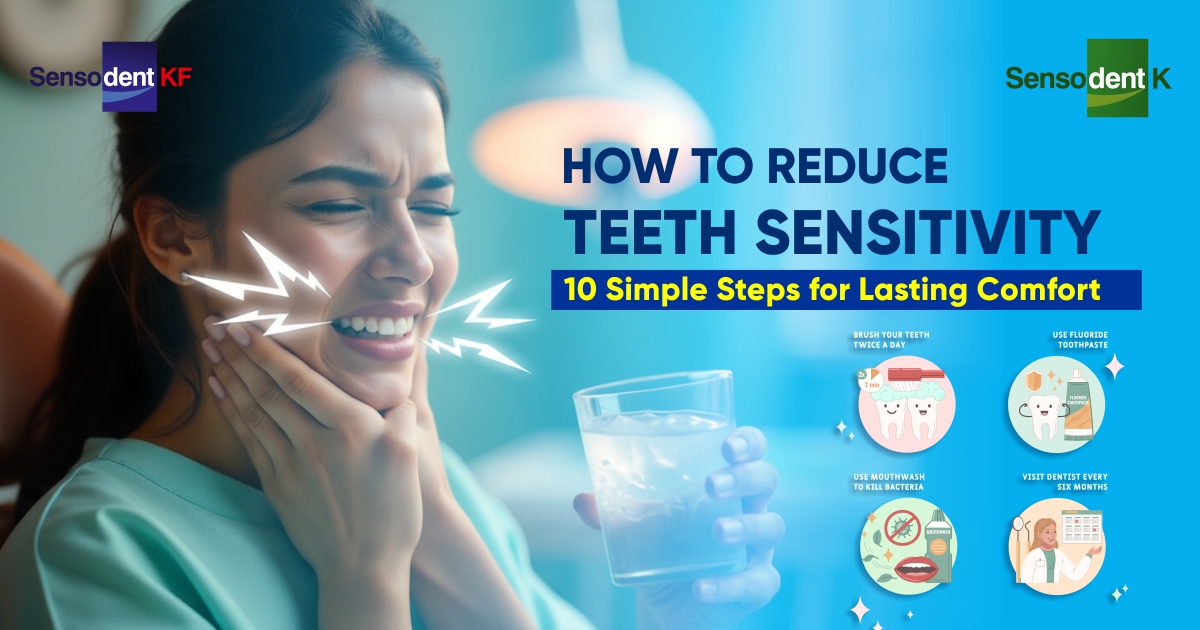
The good news is that while enamel cannot be regrown, its loss can be slowed — and even early weakening can be strengthened through smart daily habits. Prevention is not about drastic lifestyle changes, but about making conscious choices in diet, oral hygiene, and healthcare. Small adjustments today can save you from painful and costly dental treatments tomorrow.
Here are the most effective ways to protect your enamel:
- Brush Gently with Fluoride Toothpaste
Use a soft-bristled brush and gentle circular motions to avoid mechanical wear. Fluoride helps remineralize early enamel damage, making your teeth more resistant to acid attacks. Brushing harder won’t clean better — it only scrapes away enamel. - Wait Before Brushing After Acidic Foods
Brushing immediately after citrus fruits, soda, or spicy pickles can spread the acid deeper into softened enamel. Dentists recommend waiting at least 30 minutes before brushing, giving saliva time to neutralize acids naturally. - Rinse with Water After Meals
A simple rinse with plain water helps wash away acids and sugars. For people who snack frequently — a common Indian habit — rinsing reduces the time your enamel stays under acid attack. - Stay Hydrated
Saliva is your natural defense against enamel erosion. Drinking enough water, especially in India’s hot climate, keeps saliva flowing and protects teeth from acid exposure. - Limit Sugary and Acidic Foods
Reduce your intake of sodas, packaged juices, sticky sweets, and sour candies. If you must indulge, have them with meals rather than as frequent snacks to minimize acid exposure throughout the day. - Choose Enamel-Safe Oral Care Products
Avoid abrasive whitening toothpaste or harsh mouthwashes that can strip enamel. Instead, look for “enamel-safe†or dentist-recommended options that balance cleaning with protection. - Chew Sugar-Free Gum
Chewing sugar-free gum (with xylitol) stimulates saliva production. This not only washes away acids but also delivers calcium and phosphate back to the enamel surface for remineralization. - Protect Against Grinding
If you grind your teeth at night, ask your dentist about a night guard. Stress reduction techniques like meditation or yoga can also reduce clenching during the day, especially for urban professionals. - Treat Medical Conditions Early
GERD, frequent vomiting, or dry mouth from medications can silently erode enamel. Managing these conditions with professional help is essential for protecting your teeth in the long run. - Regular Dental Check-Ups
Visiting your dentist every six months allows early detection of enamel wear. Preventive treatments like fluoride varnishes or sealants can protect at-risk teeth before the damage worsens.
Conclusion
Tooth enamel may be the hardest substance in your body, but it is not invincible. Everyday foods, habits, and health conditions can slowly erode it, leading to sensitivity, discoloration, and long-term dental problems. The biggest challenge is that enamel does not grow back — once lost, it can only be managed, not restored naturally.
The key, therefore, lies in prevention. By understanding the causes of enamel erosion and adopting small but consistent changes — from mindful eating to regular dental visits — you can protect your smile for years to come. Remember, investing in your enamel today means fewer dental treatments, less discomfort, and stronger teeth tomorrow.