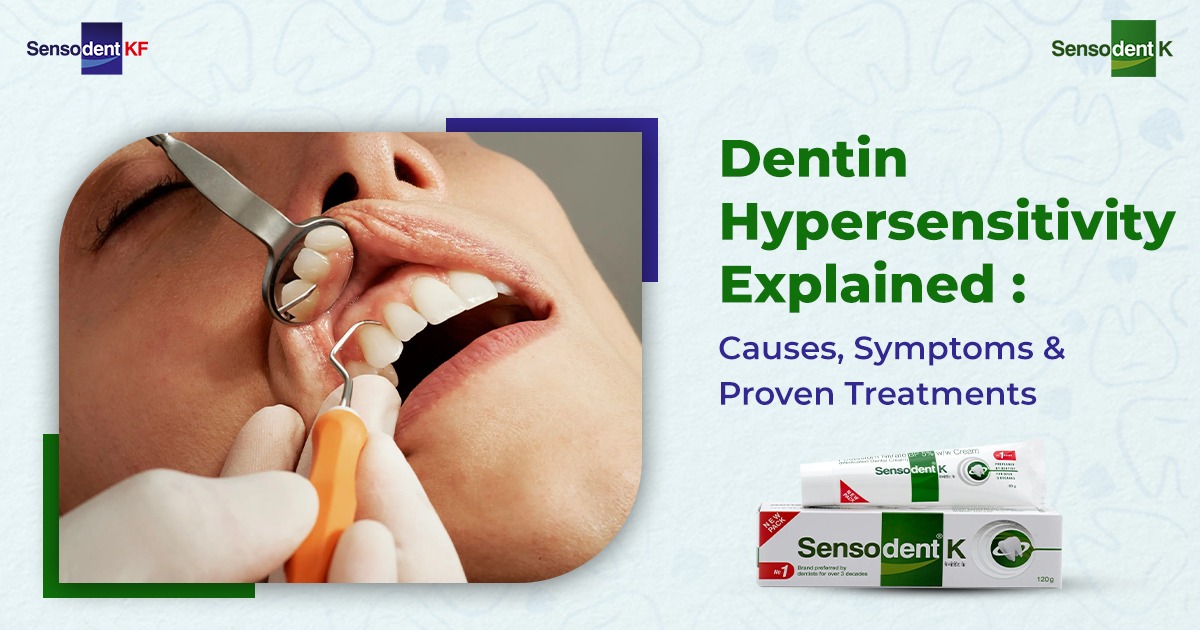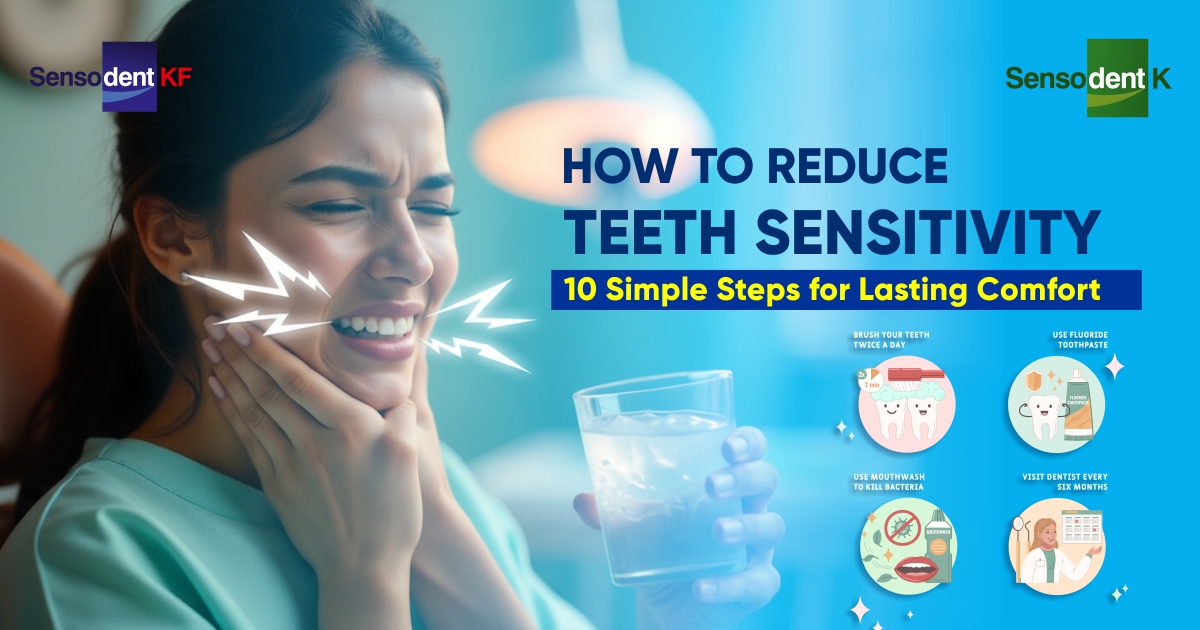





Dental sensitivity is that sudden, sharp discomfort you feel when consuming hot, cold, sweet, or sour foods and drinks. It usually occurs when the protective enamel wears down or gums recede, exposing the dentin underneath and the tiny nerve endings connected to the tooth. This exposure makes teeth more reactive to everyday triggers, turning simple eating and drinking into a painful experience.
How Does Tooth Sensitivity Work?
Tooth sensitivity occurs when the protective enamel layer wears down or gums recede, exposing the dentin beneath. Dentin contains microscopic channels called dentinal tubules that lead directly to the tooth’s nerve centre.
When hot, cold, sweet, or sour substances come into contact with these exposed tubules, they trigger fluid movement inside them. This movement sends signals to the nerves, resulting in a sudden, sharp pain that usually lasts only a few seconds but can be quite uncomfortable.
Instant Relief Treatments That Work for Dental Sensitivity
When dental sensitivity flares up, the first priority is comfort. While long-term care is essential, certain treatments can help numb pain or reduce sensitivity quickly, offering immediate relief from sudden triggers like hot or cold foods.
These methods work by calming exposed nerve endings or reducing the stimulation reaching them, making day-to-day activities more manageable.
Desensitizing Toothpaste for Fast Relief
Desensitizing toothpaste is one of the most effective and dentist-recommended options for quick relief. These toothpastes contain active ingredients that help block pain signals from reaching the tooth’s nerves.
With regular use, they form a protective layer over exposed dentin, reducing sensitivity over time. Many people start noticing relief within a few days, making it a reliable first step for managing sensitive teeth.
Saltwater Rinse
A saltwater rinse is a simple home remedy that can provide temporary relief from sensitivity. Salt has natural antibacterial properties that help reduce inflammation and soothe irritated gums.
Rinsing also helps keep the mouth clean, which can reduce discomfort caused by exposed or inflamed areas. While it doesn’t treat the root cause, it can calm sensitivity during flare-ups.
Clove Oil or Natural Numbing Agents
Clove oil contains natural compounds that offer a mild numbing effect when applied to sensitive areas. This can temporarily reduce pain by dulling nerve responses.
Used occasionally, it can help manage sudden discomfort. However, natural remedies should be applied carefully and are best considered short-term solutions rather than substitutes for proper dental care.
Long-Term Dental Sensitivity Treatments
While instant relief can help you get through daily discomfort, long-term relief requires addressing the underlying cause of tooth sensitivity. Treatments that strengthen enamel, protect exposed dentin, and support nerve health are essential for lasting results.
A combination of professional dental care and consistent at-home routines can significantly reduce sensitivity over time and prevent it from returning.
Fluoride Varnish & Gels
Fluoride varnishes and gels are commonly applied by dentists to strengthen weakened enamel. They help remineralise tooth surfaces and reduce the transmission of stimuli to the nerves.
With repeated applications, fluoride treatments can make teeth more resistant to sensitivity triggers and lower the risk of further enamel erosion.
Dentin Sealants & Bonding
When dentin exposure is more severe, dentists may recommend sealants or bonding agents. These materials physically cover exposed dentin tubules, preventing external stimuli from reaching the nerves.
This treatment offers long-lasting protection and is especially effective for sensitivity caused by gum recession or enamel loss.
Daily Desensitizing Regimen
A consistent daily routine plays a crucial role in managing sensitivity. Using a desensitizing toothpaste twice a day helps block nerve signals and strengthen enamel over time.
Gentle brushing, avoiding abrasive products, and maintaining regular oral hygiene reinforce the effectiveness of professional treatments and support long-term sensitivity relief.
Professional Dental Procedures for Persistent Sensitivity
If tooth sensitivity persists despite using desensitizing toothpaste and following good oral care habits, it may indicate a deeper underlying issue. In such cases, professional dental treatments are often the most effective way to achieve lasting relief.
These procedures are designed to address the root cause of sensitivity rather than just masking the symptoms, ensuring better comfort and long-term dental health.
Professional Fluoride Treatments
Professional fluoride treatments involve applying a higher concentration of fluoride directly to sensitive teeth. This helps strengthen enamel and reduce the movement of fluid within dentin tubules, which lowers nerve sensitivity.
With repeated treatments, teeth become more resistant to triggers like hot, cold, and acidic foods, providing sustained relief.
Gum Grafting
Gum grafting is recommended when sensitivity is caused by gum recession that exposes the tooth root. The procedure involves placing healthy gum tissue over the exposed area to protect it.
By covering the sensitive root surface, gum grafting helps reduce discomfort while also improving overall gum health.
Root Canal Therapy
In cases of severe or long-standing sensitivity, root canal therapy may be necessary. This treatment removes the inflamed or damaged nerve tissue inside the tooth.
Once the nerve is treated, sensitivity is eliminated at its source, making this procedure an effective solution when other treatments fail.
Home Remedies That Help (and What to Avoid)
Home remedies can offer comfort and support when managing dental sensitivity, especially during mild flare-ups. While they don’t replace professional treatment, some can help soothe teeth and gums when used correctly.
That said, not all home remedies are safe. Certain DIY hacks can actually worsen enamel erosion and increase sensitivity, so it’s important to know the difference.
Saltwater Rinse
Rinsing with warm saltwater helps reduce inflammation and keeps the mouth clean. Its mild antibacterial properties can soothe irritated gums and temporarily ease sensitivity.
Clove Oil (Used Sparingly)
Clove oil has natural numbing properties that may provide short-term relief when applied carefully to a sensitive area. It should be diluted and used occasionally to avoid irritation.
Aloe Vera Gel
Pure aloe vera gel can help calm inflamed gums and reduce discomfort caused by gum sensitivity. Applying it gently along the gum line may support gum healing.
Cold Compress for Jaw Pain
If sensitivity is accompanied by jaw or gum discomfort, applying a cold compress externally can help reduce inflammation. This does not treat the tooth itself but can ease surrounding pain.
Avoid Lemon, Vinegar, and Baking Soda Hacks
Highly acidic or abrasive substances like lemon juice, vinegar, and baking soda can damage enamel. These should be avoided, as they may worsen sensitivity over time.
Avoid Overbrushing or Hard-Bristle Brushes
Brushing too aggressively or using hard-bristle toothbrushes wears down enamel and irritates gums. Switching to a soft-bristle brush and gentle technique is essential.
How Diet & Lifestyle Impact Dental Sensitivity
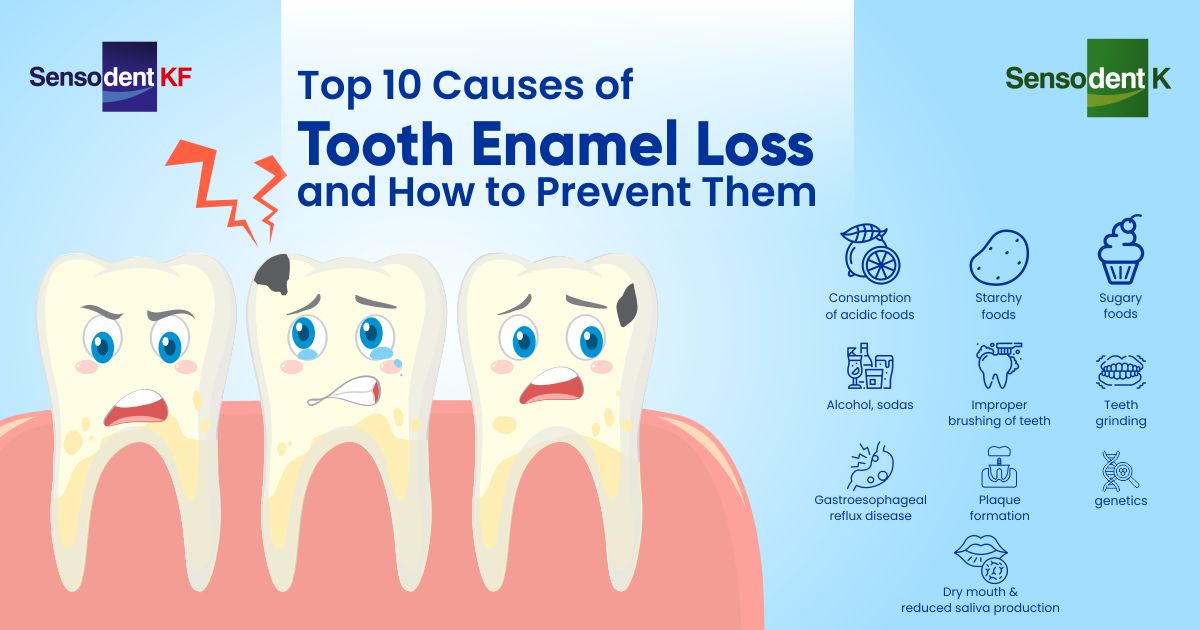
What you eat and how you live play a major role in how sensitive your teeth feel. Everyday dietary choices and lifestyle habits can either protect your enamel or slowly wear it down, making teeth more reactive to common triggers.
- Frequent acidic foods and drinks
Citrus fruits, fizzy drinks, vinegar-based foods, and sour candies weaken enamel over time, increasing sensitivity. - High sugar intake
Sugary foods feed bacteria that produce acids, leading to enamel erosion and exposure of sensitive dentin. - Smoking and tobacco use
Tobacco reduces saliva flow and irritates gums, increasing the risk of gum recession and root sensitivity. - Teeth grinding (bruxism)
Grinding or clenching teeth wears down enamel, making teeth more vulnerable to temperature and pressure changes. - Dehydration and dry mouth
Lack of saliva reduces natural protection against acids and bacteria, worsening sensitivity. - Irregular oral hygiene habits
Skipping brushing or brushing incorrectly allows plaque buildup, which contributes to enamel damage and gum issues. - Stress and lifestyle pressure
Stress can indirectly increase sensitivity by triggering habits like grinding or neglecting oral care routines.
When to See a Dentist
Occasional sensitivity can often be managed at home, but persistent or worsening discomfort should not be ignored. Seeing a dentist at the right time helps identify the underlying cause and prevents minor sensitivity from developing into a more serious dental problem.
If sensitivity lasts for more than a few weeks, occurs without an obvious trigger, or is accompanied by pain, visible tooth damage, or gum recession, a professional dental evaluation is strongly recommended.
FAQs About Dental Sensitivity Treatment
Dental sensitivity can raise many questions, especially when pain affects everyday eating and drinking. These quick answers address common concerns and help you understand what to expect from treatment.
Q1. How quickly can dental sensitivity improve with treatment?
Relief can begin within a few days of using desensitizing toothpaste, but noticeable improvement usually takes one to two weeks with consistent care.
Q2. Can sensitivity be permanently cured?
It depends on the cause. Sensitivity from enamel wear or gum recession can often be managed long term, while sensitivity caused by nerve damage may require deeper treatments such as a root canal.
Q3. Is sensitivity toothpaste effective for everyone?
Desensitizing toothpaste works well for many people, but results vary based on the cause and severity of sensitivity. Some cases may need professional treatment.
Q4. Can children use desensitizing toothpaste?
Children should use only dentist-recommended or age-appropriate toothpaste. It’s best to consult a dentist before starting desensitizing products for kids.
Q5. Are home remedies safe?
Some home remedies can offer temporary relief, but abrasive or acidic methods should be avoided. Home remedies should never replace professional dental care.
Key Takeaways
- Dental sensitivity occurs when enamel wears down or gums recede, exposing the tooth’s nerves.
- Triggers like hot, cold, sweet, or sour foods can cause sharp, short-lasting pain.
- Desensitizing toothpaste is one of the most effective first steps for managing sensitivity.
- Instant relief methods help temporarily, but long-term treatments address the root cause.
- Diet, lifestyle, and brushing habits play a major role in preventing sensitivity.
- Persistent sensitivity may require professional dental procedures for lasting relief.
- Early care and consistent oral hygiene help keep sensitivity under control.
Trusted Solutions for Dental Sensitivity Relief
Managing dental sensitivity effectively requires solutions that are not just quick, but also reliable and clinically backed. Along with established sensitivity toothpastes like Sensodent K and Sensodent KF, the range has now expanded with Sensodent DSP, offering another advanced option for people looking for targeted and long-lasting relief from sensitivity when eating, drinking, or brushing. Together, these solutions are designed to address sensitivity at its source while supporting everyday oral care.