




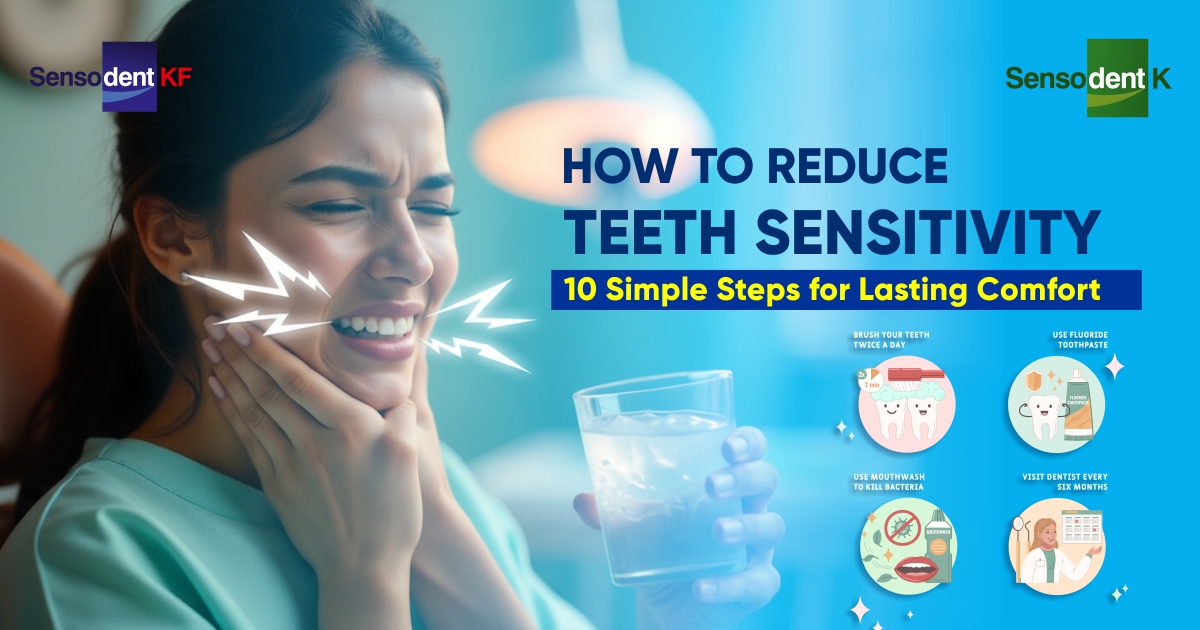
You know that sharp, sudden jolt you feel when sipping iced water or taking a bite of something hot? That ouch moment — it’s not just in your head. It’s tooth sensitivity, and for many people, it can turn simple pleasures like enjoying ice cream or coffee into a painful experience.
Tooth sensitivity is one of the most common dental problems, yet it often goes untreated because people think it’s “normal†or temporary. But the truth is — ignoring it can make things worse. From avoiding your favorite foods to wincing every time you brush, sensitivity can slowly affect your quality of life, confidence, and overall oral health.
The good news? Teeth sensitivity is manageable — and in most cases, reversible with the right care. Understanding what causes it and how to manage it can make all the difference.
In this guide, we’ll walk you through 10 simple, dentist-approved steps to reduce tooth sensitivity naturally and effectively. You’ll also learn when it’s time to stop self-managing and see your dentist for professional treatment. Whether your teeth tingle occasionally or ache every time you eat, these steps will help you find lasting comfort and healthier smiles.
10 Steps to Reduce Tooth Sensitivity
Tooth sensitivity doesn’t develop overnight — it’s usually the result of small habits, diet patterns, or untreated issues that gradually wear down enamel or expose the sensitive inner layers of your teeth. The good news? You can reverse much of that damage and protect your teeth from future discomfort with consistent, gentle care.
Below are 10 dentist-recommended steps to help you manage, reduce, and even prevent tooth sensitivity — naturally and effectively. These are practical, science-backed measures you can start today.
1. Switch to a Soft-Bristled Toothbrush & Use Gentle Technique
One of the most common causes of tooth sensitivity is overbrushing — using a hard-bristled brush or brushing too aggressively. This wears away enamel and irritates the gums, exposing the tooth’s sensitive root surface.
A soft-bristled toothbrush cleans just as effectively but without the abrasion. Brush in small circular motions instead of harsh back-and-forth strokes. Focus on being thorough, not forceful.
If you notice gum recession or your toothbrush bristles fraying quickly, it’s a sign you’re pressing too hard. Lighten up your grip — your gums will thank you.
2. Use Desensitizing / Fluoride Toothpaste Regularly
Desensitizing toothpaste is often the first line of defense against sensitivity. These toothpastes contain active ingredients such as potassium nitrate or stannous fluoride, which block pain signals from reaching the tooth’s nerve endings.
Use it twice a day, and don’t rinse immediately after brushing — let the protective ingredients coat your teeth for a few extra minutes.
If your sensitivity is severe, ask your dentist about prescription-strength fluoride toothpaste, which helps remineralize enamel and strengthen weak spots over time.
3. Rinse / Gel / Mouthwash Treatments with Fluoride or Desensitizing Agents
Supplementing your brushing routine with a fluoride mouthwash or desensitizing gel can provide an added layer of protection. These treatments help rebuild enamel, minimize acid damage, and reduce nerve sensitivity.
Rinse once a day, preferably before bedtime, so the fluoride can act overnight. Avoid alcohol-based mouthwashes, as they can dry out the mouth and irritate sensitive areas.
For persistent discomfort, dentists often recommend in-office fluoride varnish treatments, which seal vulnerable enamel and provide long-lasting relief.
4. Avoid Brushing Immediately After Acidic Food or Drink
After consuming citrus fruits, soda, wine, or other acidic foods, your enamel temporarily softens. Brushing right away can scrub away this softened layer, accelerating wear.
Instead, wait at least 30 minutes before brushing. In the meantime, rinse your mouth with plain water or a fluoride mouthwash to neutralize the acids.
This simple timing adjustment can make a big difference in preserving enamel strength and minimizing long-term sensitivity.
5. Cut Down / Modify Intake of Acidic & Sugary Foods
Diet plays a massive role in enamel health. Frequent consumption of acidic or sugary foods weakens enamel and allows bacteria to thrive.
Try to limit soft drinks, citrus fruits, vinegar-based foods, and candies. When you do indulge, use a straw to minimize contact with teeth, and drink water immediately afterward.
Replacing acidic snacks with calcium-rich foods like cheese, yogurt, or leafy greens can help neutralize acids and naturally strengthen enamel.
6. Use Saltwater Rinses / Safe Home Remedies (Supportive Care)
Mild saltwater rinses are one of the most effective and gentle home remedies for sensitive teeth. Salt acts as a natural antibacterial agent and helps soothe inflammation.
Mix half a teaspoon of salt in a cup of warm water and rinse twice daily — morning and night.
Other supportive remedies include aloe vera gel for gum irritation and green tea rinses for their natural fluoride content. These home measures are not replacements for treatment but great for supporting your daily oral care routine.
7. Manage Teeth Grinding / Bruxism
If you wake up with jaw pain or notice your teeth edges flattening, teeth grinding (bruxism) might be behind your sensitivity. Grinding gradually erodes enamel and exposes the dentin, making teeth more reactive to temperature and pressure.
Consult your dentist about getting a custom night guard to protect your teeth while you sleep. Stress management, meditation, or jaw exercises can also reduce grinding habits.
Over time, managing bruxism not only reduces sensitivity but also prevents future enamel loss and cracks.
8. Protect & Repair Exposed Areas (Sealants / Bonding / Varnishes)
For moderate to severe cases, dentists can restore sensitivity-prone areas with protective dental treatments. These include:
- Sealants: Applied to cover exposed dentin and prevent further damage.
- Bonding: A tooth-colored resin that seals open tubules and reinforces weakened enamel.
- Fluoride varnishes: Professionally applied to strengthen enamel and reduce pain response.
These in-office solutions provide instant relief and long-term protection, especially when combined with proper home care.
9. Monitor Progress, Adjust, & Track Triggers
Tooth sensitivity often fluctuates based on your habits and diet. Keep a sensitivity journal — note what triggers pain (cold drinks, brushing, sweets, etc.) and when it occurs.
This helps identify patterns so you can adjust your care routine accordingly. If sensitivity worsens even with proper care, that’s a sign you need professional intervention.
Remember, managing sensitivity is about progress, not perfection. Small daily adjustments make a big difference over time.
10. Know When to See Your Dentist / Escalate Treatment
If sensitivity lingers for more than two weeks, or if it’s severe enough to affect your daily routine, it’s time to see your dentist. Persistent sensitivity can be a sign of:
- Tooth decay or cavities
- Worn fillings
- Gum recession
- Cracked enamel or exposed roots
A dentist can identify the underlying cause and recommend targeted treatments like bonding, gum grafts, or root canal therapy if needed. Early intervention saves both discomfort and expense in the long run.
Your dentist isn’t just there to fix problems — they’re your partner in maintaining a lifetime of healthy, pain-free smiles.
FAQs About Tooth Sensitivity
Tooth sensitivity can be frustrating — and often confusing. Many people aren’t sure whether it’s permanent, how to manage it at home, or when to get professional help. Below are answers to the most common questions patients ask dentists about managing and preventing sensitive teeth.
These insights will help you separate myths from facts and understand what really works for long-term relief.
Q1. Will tooth sensitivity ever go away completely?
Yes — in most cases, tooth sensitivity can be significantly reduced or even eliminated with proper care. If your enamel is only mildly worn or your gums are slightly receded, using desensitizing toothpaste, fluoride treatments, and gentle brushing techniques can rebuild protection over time.
However, if sensitivity is caused by deeper issues like gum disease, cracks, or cavities, professional dental treatment will be necessary. Once those problems are addressed, most patients experience lasting comfort and normal sensitivity levels.
Q2. Is whitening safe if I have sensitive teeth?
Tooth whitening can temporarily increase sensitivity, especially if your enamel is already thin or your gums are exposed. If you have sensitive teeth, avoid over-the-counter whitening kits or strips, which tend to be too harsh.
Instead, speak to your dentist about professional whitening options that use milder formulas and include desensitizing agents. Your dentist might also suggest a pre-whitening desensitizing routine — such as fluoride toothpaste or gel — to strengthen enamel before treatment.
Q3. Can you rebuild enamel naturally?
Once enamel is lost, it doesn’t grow back — but you can remineralize and strengthen the remaining enamel naturally. This process restores its density and protects the inner dentin from exposure.
Use fluoride toothpaste, maintain a calcium-rich diet, and avoid acidic foods that dissolve minerals. Drinking water with fluoride and chewing sugar-free gum to increase saliva flow also help neutralize acids and support enamel repair.
Q4. Does sensitivity affect children or elderly differently?
Yes. Children often experience temporary sensitivity due to erupting teeth or mild enamel wear, which typically resolves with age and good oral hygiene.
For the elderly, gum recession and years of enamel erosion make sensitivity more common and sometimes chronic. Regular dental check-ups, proper brushing, and desensitizing toothpaste are crucial to managing it. For both age groups, gentle daily care and routine dental visits can prevent long-term discomfort.
Q5. How soon will I see improvement?
With consistent care, most people notice improvement within 1 to 2 weeks of using desensitizing toothpaste and fluoride rinses. However, the degree of relief depends on the cause of your sensitivity.
If you make dietary changes, brush gently, and avoid triggers, results are often steady and lasting. Severe or long-standing sensitivity may require in-office treatments for faster and more complete relief.
Q6. Are home remedies enough?
Home remedies can provide temporary relief, but they rarely address the underlying cause of sensitivity. Saltwater rinses, green tea, or aloe vera can soothe inflammation and support oral health — yet they won’t repair enamel or stop ongoing erosion.
Think of home remedies as supportive care rather than a cure. If your teeth continue to hurt or react to temperature changes after a few weeks of home care, schedule a dental evaluation to prevent further damage and find a permanent solution.
Conclusion
Tooth sensitivity may start as a mild twinge, but it can quickly turn everyday habits — eating, drinking, or even brushing — into uncomfortable experiences. The good news is that with the right care, you can restore comfort, rebuild protection, and prevent sensitivity from returning.
Small changes like using the right toothbrush, choosing a desensitizing toothpaste, and avoiding acidic foods can make a lasting difference. But most importantly, don’t ignore early signs of sensitivity — they’re your body’s way of signaling that your enamel or gums need attention.
With consistency, patience, and professional guidance, you can enjoy all your favorite foods and drinks again — without flinching.
Protect Your Smile with Sensodent: Dentist-Trusted Care for Sensitive Teeth
When it comes to managing tooth sensitivity effectively, choosing the right sensitivity toothpaste in India can make all the difference. Sensodent is a dentist-recommended toothpaste formulated with potassium nitrate and fluoride — ingredients clinically proven to block nerve signals and strengthen enamel.
Using Sensodent sensitivity toothpaste twice a day helps form a protective shield around your teeth, reducing discomfort from hot, cold, and sweet foods. It’s gentle on enamel, safe for daily use, and ideal for anyone seeking long-term relief from tooth sensitivity.
If you’re ready to stop the sting and start smiling confidently again, make Sensodent a part of your daily oral care routine — because lasting comfort begins with lasting protection.