




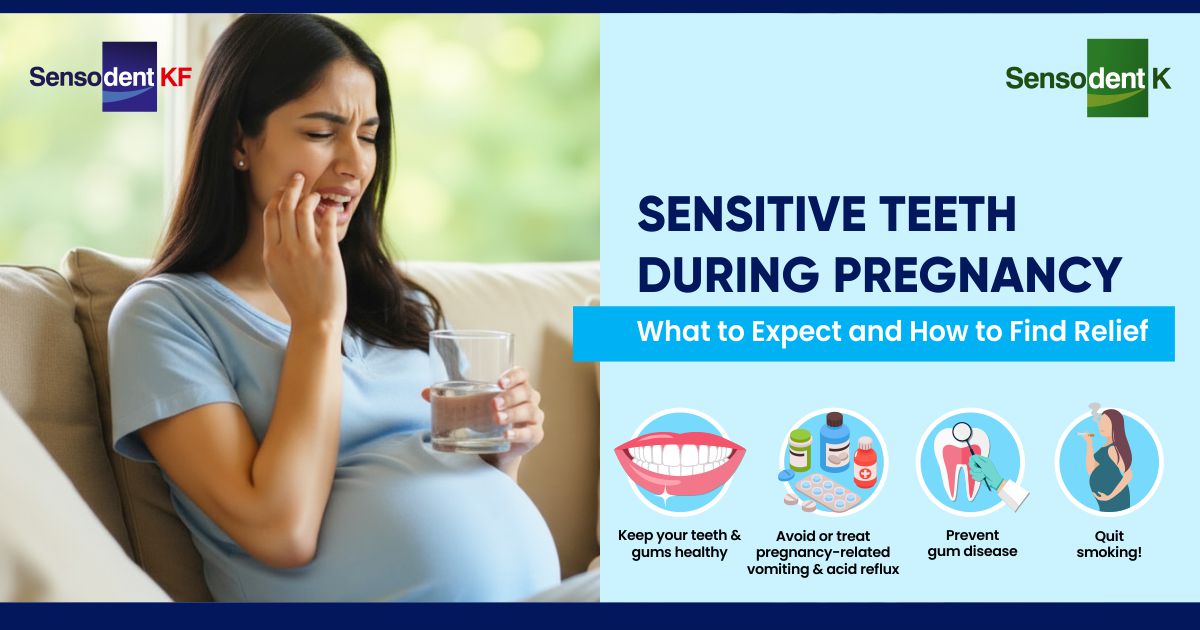
That unexpected zing when sipping a glass of cold water or biting into something sweet — it’s more common than you think during pregnancy. Many expectant mothers experience tooth sensitivity at some point, even if they’ve never had dental issues before. And while it might seem like a minor inconvenience, it can quickly affect daily comfort, food choices, and overall well-being.
Tooth sensitivity during pregnancy isn’t just about temporary discomfort — it’s linked to the hormonal and physiological changes happening in your body. Shifts in estrogen and progesterone levels can make gums more sensitive, increase blood flow to oral tissues, and alter how your body responds to plaque and bacteria. Combine that with frequent snacking, morning sickness, and changes in oral hygiene habits, and your teeth can start feeling extra tender.
Why does this matter? Because oral health during pregnancy plays a major role in both maternal and baby health. Painful sensitivity can make it harder to eat nutritious foods, brush properly, or maintain regular dental care — all of which are essential for a healthy pregnancy.
In this guide, you’ll learn why teeth become sensitive during pregnancy, how it differs across trimesters, safe and effective home remedies, and when it’s important to consult your dentist. You’ll also get practical tips for post-pregnancy oral care, so you can keep your smile strong and comfortable — for you and your little one.
Is Tooth Sensitivity Normal During Pregnancy?
Yes — experiencing tooth sensitivity during pregnancy is quite common, and in most cases, it’s completely normal. The body goes through massive hormonal, circulatory, and immune changes during these nine months, and your mouth feels the effects too.
Increased levels of estrogen and progesterone can make your gums more reactive to plaque and bacteria, leading to tenderness, swelling, and sometimes bleeding. This gum inflammation — known as pregnancy gingivitis — can expose the tooth’s root surfaces, triggering sensitivity to hot, cold, or sweet foods.
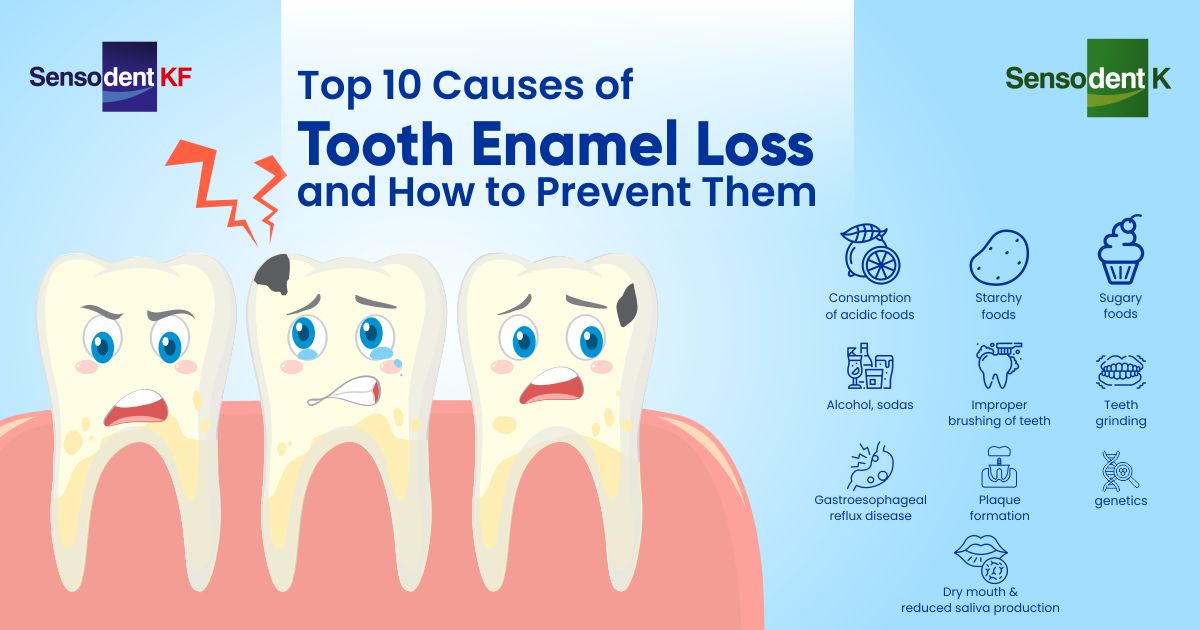
Additionally, changes in saliva composition and acidity, particularly from morning sickness or frequent snacking, can weaken enamel over time. The thinner your enamel becomes, the more exposed your dentin (the sensitive inner layer) gets, resulting in that sharp, uncomfortable sensation.
So while sensitivity is a common part of pregnancy, it’s your mouth’s way of saying: “I need a little extra care right now.â€
What Causes Sensitive Teeth in Pregnancy?
Tooth sensitivity during pregnancy isn’t random — it’s the result of multiple changes happening inside your body. From hormones to diet and even brushing habits, several factors can weaken enamel or irritate the gums, leading to that familiar twinge of discomfort. Understanding these causes helps you manage sensitivity safely and effectively throughout your pregnancy.
Below are the most common reasons behind sensitive teeth in expecting mothers.
1. Hormonal Changes
During pregnancy, your body produces higher levels of estrogen and progesterone, which increase blood flow to gum tissues and make them more sensitive to irritation. Even a small amount of plaque can trigger inflammation, causing gum tenderness and discomfort while brushing or eating.
These hormonal shifts can also loosen the ligaments around your teeth slightly — a normal but temporary condition that can make chewing or temperature changes feel more intense. Once your hormone levels stabilize after delivery, this sensitivity usually improves on its own.
2. Pregnancy Gingivitis
Nearly 60–70% of pregnant women experience pregnancy gingivitis, a mild form of gum disease caused by hormonal fluctuations and increased plaque buildup. The gums become red, swollen, and prone to bleeding — which often exposes parts of the tooth root that are more sensitive.
Left untreated, gingivitis can progress to more serious gum infections (periodontitis) that not only affect oral health but have also been linked to preterm birth and low birth weight. Maintaining gentle but consistent oral hygiene is key to prevention.
3. Enamel Erosion from Morning Sickness
Frequent vomiting due to morning sickness exposes your teeth to stomach acids, which are strong enough to erode enamel — the outer protective layer of your teeth. Over time, this can make teeth thinner and more sensitive to temperature and touch.
If you’re dealing with morning sickness, avoid brushing immediately after vomiting (as acid softens enamel temporarily). Instead, rinse with water or a baking soda solution to neutralize acids before brushing later.
4. Increased Blood Flow and Gum Sensitivity
Pregnancy naturally increases blood circulation throughout your body, including your gums. While this helps nourish your baby, it can make your gums more tender and reactive to heat, cold, and pressure.
This heightened sensitivity often peaks in the second trimester and usually subsides post-delivery. Using a soft-bristled toothbrush and gentle brushing motions can help protect your gums while keeping them clean.
5. Changes in Eating Habits
Cravings and frequent snacking — especially on sugary or acidic foods — are common during pregnancy. However, these foods can weaken enamel and feed bacteria that cause tooth decay. Even healthy snacks like citrus fruits or juices can contribute to temporary sensitivity if consumed often.
To minimize this effect, try to rinse your mouth with water after every meal or snack and avoid brushing right after eating acidic foods. Moderation and good timing make a big difference.
6. Calcium Deficiency
Your growing baby requires calcium for developing bones and teeth, and if your dietary intake is insufficient, your body may begin drawing calcium from your own stores — including teeth and bones. This doesn’t directly “pull†calcium from teeth, but low calcium intake can weaken enamel over time and make teeth more reactive.
Ensure you’re getting enough calcium and vitamin D through dairy, fortified plant milk, or supplements recommended by your doctor.
7. Aggressive Brushing or Hard Toothbrushes
Sometimes, sensitivity during pregnancy isn’t due to hormones at all — it’s from brushing too hard. Hormonal changes make gums softer and more prone to injury, so a stiff brush or vigorous technique can quickly lead to gum recession and exposed dentin.
Switch to a soft-bristled toothbrush and brush gently in circular motions. It removes plaque effectively without irritating sensitive gums or stripping away protective enamel.
Sensitive Teeth in Early Pregnancy
During the first trimester, your body is adapting to a surge of hormonal changes that can subtly (and sometimes not so subtly) affect your mouth. Many women first notice gum tenderness or mild tooth sensitivity during these early weeks — often alongside morning sickness or shifting dietary habits.
In early pregnancy, rising estrogen and progesterone levels increase blood flow to gum tissues, making them more prone to inflammation and swelling. Add to that the acid exposure from vomiting or nausea, and your enamel may start to feel the effects too. Even simple activities like brushing or sipping cold water can cause mild discomfort.
At this stage, focus on gentle oral hygiene — use a soft toothbrush, rinse after vomiting, and maintain a balanced diet. Early care prevents small issues from progressing and keeps your teeth healthy throughout the rest of your pregnancy.
How to Manage Sensitive Teeth During Pregnancy (by Trimester)
Pregnancy is a journey of constant change — and your oral health needs evolve right alongside your body. Knowing how to care for sensitive teeth in each trimester helps protect your enamel, reduce discomfort, and keep you and your baby safe.
Here’s a trimester-wise breakdown of how to manage tooth sensitivity effectively and safely.
First Trimester: Gentle Care, No Elective Dental Work
The first three months of pregnancy are all about adaptation — for both you and your body. Hormonal shifts, morning sickness, and fatigue can make dental care challenging, but this is not the time for invasive procedures unless absolutely necessary.
Focus on non-invasive home care:
- Brush gently twice a day using a soft-bristled toothbrush and fluoride toothpaste.
- Rinse with water or a mild baking soda solution after vomiting to neutralize stomach acids.
- Use saltwater rinses to calm gum inflammation naturally.
- Stay hydrated — it keeps saliva flowing and protects against acid erosion.
Avoid teeth whitening, elective fillings, or any unnecessary dental procedures during this stage. However, don’t skip routine checkups — your dentist can still perform a safe examination and provide personalized advice for managing sensitivity.
Second Trimester: The Ideal Window for Dental Treatments
The second trimester (weeks 13–27) is considered the safest time for routine dental cleanings and necessary procedures. By this point, morning sickness usually subsides, and the risk to fetal development is minimal.
This is the right time to:
- Schedule a professional dental cleaning to remove plaque and tartar buildup that worsen sensitivity.
- Treat minor cavities or gum infections before they progress.
- Continue using fluoride or desensitizing toothpaste as advised by your dentist.
- Maintain a balanced, calcium-rich diet to strengthen enamel and support your baby’s development.
If you’re dealing with persistent sensitivity, your dentist may safely apply fluoride varnishes or desensitizing gels during this trimester. These treatments reduce pain and protect enamel without harming your baby.
Third Trimester: Comfort-Focused, Preventive Care
In the final trimester, your growing belly and shifting posture can make long dental visits uncomfortable — especially lying flat for extended periods. Dentists typically avoid elective treatments during this time unless there’s an emergency.
Here’s how to manage sensitivity safely:
- Continue with your gentle oral care routine at home.
- If you visit the dentist, request short appointments and sit in a semi-reclined position (not fully flat) to avoid pressure on major veins.
- Manage gum inflammation with warm saltwater rinses and maintain consistent hydration.
- Avoid late-pregnancy elective work such as fillings or extractions unless absolutely required.
Most importantly, prepare for postpartum dental care — sensitivity often improves after delivery, but your dentist may recommend follow-up treatments once your body’s hormone levels return to normal.
By tailoring your approach trimester by trimester, you can stay comfortable, protect your teeth, and ensure safe dental care throughout pregnancy.
How to Prevent Tooth Sensitivity in Pregnancy
While some sensitivity is natural during pregnancy, most cases can be prevented or minimized with the right care routine. Small, consistent habits go a long way in keeping your enamel strong, your gums healthy, and your smile comfortable throughout all three trimesters.
Here are some practical ways to prevent tooth sensitivity while you’re expecting:
- 1. Maintain a Consistent Oral Hygiene Routine
Brush twice a day with a soft-bristled toothbrush and fluoride toothpaste. Gentle, circular motions help clean thoroughly without irritating sensitive gums or eroding enamel. - 2. Use a Desensitizing Toothpaste
Choose a sensitivity toothpaste formulated with potassium nitrate or stannous fluoride. These ingredients block nerve pain and protect enamel against acid wear over time. - 3. Rinse After Morning Sickness or Meals
Vomiting and frequent snacking can expose teeth to acid. After each episode or meal, rinse with plain water or a mild baking soda solution to neutralize acids before brushing. - 4. Eat a Balanced, Tooth-Friendly Diet
Include foods rich in calcium, phosphorus, and vitamin D — like milk, cheese, leafy greens, and almonds. These nutrients strengthen enamel and support your baby’s bone development. - 5. Limit Sugary and Acidic Foods
Reduce soft drinks, citrus juices, pickles, and candies. When you do indulge, drink water right after to wash away acids and prevent enamel erosion. - 6. Stay Hydrated
Adequate water intake keeps your saliva flow steady, helping neutralize acids and protect teeth naturally. A hydrated mouth also lowers the risk of bacterial buildup. - 7. Schedule Regular Dental Checkups
Don’t skip dental visits just because you’re pregnant. Professional cleanings and checkups are safe and essential — they help catch early signs of sensitivity, gum disease, or cavities before they worsen.
By following these preventive steps, you can keep your teeth strong and sensitivity-free throughout pregnancy — ensuring your oral health stays as vibrant as your new chapter ahead.
Can I Use Sensitive Toothpaste While Pregnant?
Yes — it’s absolutely safe to use a sensitive toothpaste during pregnancy, and in fact, it’s one of the best ways to manage tooth discomfort naturally. Hormonal changes can make your gums and enamel more reactive, but switching to a gentle, fluoride-based sensitivity toothpaste can provide quick and lasting relief.
One trusted option is Sensodent, a dentist-recommended sensitivity toothpaste in India. It’s formulated with potassium nitrate and fluoride, ingredients proven to block nerve pain and strengthen enamel without any harmful chemicals or abrasives. Sensodent helps reduce that sharp “zing†caused by hot, cold, or sweet foods while supporting overall gum health — something especially important during pregnancy.
Use Sensodent twice daily with a soft-bristled toothbrush and gentle circular strokes. Avoid rinsing immediately after brushing so the protective layer can stay on your teeth longer. If you’re unsure about your oral care routine during pregnancy, talk to your dentist — but rest assured, Sensodent is both safe and effective for sensitive teeth and tender gums throughout all trimesters.
Dental Treatments to Avoid or Defer in Pregnancy
While most routine dental care is safe during pregnancy, certain procedures are best postponed unless they’re absolutely necessary. The goal is to protect both you and your baby by avoiding stress, unnecessary medications, or prolonged exposure to dental materials. Knowing which treatments to delay helps ensure safe, comfortable, and complication-free care.
Here are some dental treatments that should typically be avoided or deferred until after delivery:
- 1. Teeth Whitening and Cosmetic Procedures
Whitening gels and bleaching agents contain peroxide-based chemicals that haven’t been thoroughly studied for safety during pregnancy. It’s best to wait until after childbirth for whitening or cosmetic enhancements. - 2. Elective Restorative Work (Non-Urgent Fillings or Crowns)
If a filling or crown isn’t urgent, it’s wise to postpone it. Elective restorative work can be uncomfortable and often requires longer chair time, which may be inconvenient during pregnancy. - 3. Dental X-rays (Unless Absolutely Necessary)
Although modern X-rays emit minimal radiation and use protective shielding, they’re generally deferred unless essential for diagnosing infections or emergencies. Always inform your dentist if you’re pregnant. - 4. Surgical Procedures or Extractions Without Infection
Any elective tooth removal or oral surgery can be deferred unless there’s pain, infection, or swelling. Surgery involves anesthesia and stress, which should be minimized during pregnancy. - 5. Use of Strong Painkillers or Sedation
Avoid any form of dental sedation or narcotic-based pain relief unless your obstetrician approves it. Simple local anesthesia for essential procedures, however, is considered safe when administered correctly. - 6. Long or Reclined Dental Sessions
In late pregnancy, lying flat for extended periods can cause discomfort or restrict blood flow. Shorter, semi-upright appointments are safer and more comfortable for you and your baby. - 7. Non-Essential Orthodontic Adjustments
Braces or aligner adjustments that aren’t time-sensitive can wait. Pregnancy-related gum changes can affect alignment tracking, so most orthodontic progress is best resumed postpartum.
Your dentist will always prioritize your safety — so make sure to inform them about your pregnancy and trimester before any procedure. With preventive care, regular cleanings, and gentle at-home maintenance, most dental treatments can comfortably wait until your baby arrives.
Tooth Sensitivity After Giving Birth
Many new mothers notice that tooth sensitivity doesn’t always disappear immediately after delivery — and that’s completely normal. The body is still recalibrating after months of hormonal changes, fluctuating calcium levels, and physical stress. These shifts can leave your gums tender and enamel slightly weakened, especially if oral care took a back seat during pregnancy.
In the postpartum phase, hormone levels gradually normalize, which helps reduce gum inflammation and sensitivity over time. However, lifestyle changes such as irregular eating, frequent snacking, and sleep deprivation can still affect oral health. Nursing mothers may also experience a mild drop in calcium, which can contribute to lingering sensitivity or dull toothaches.
This is the perfect time to schedule a postpartum dental check-up. Your dentist can evaluate any enamel erosion, gum issues, or small cavities that may have developed during pregnancy. Continuing to use a sensitivity toothpaste like Sensodent and following a balanced, calcium-rich diet will help restore comfort, strengthen your enamel, and keep your smile healthy well beyond the pregnancy journey.
How Does Tooth Sensitivity Impact New Mothers?
For new mothers, tooth sensitivity can be more than just a minor annoyance — it can affect daily routines, comfort, and even nutrition during an already demanding phase of life. Between sleepless nights, feeding schedules, and hormonal recovery, dental discomfort often goes unnoticed until it starts interfering with everyday activities.
Here’s how tooth sensitivity can impact new mothers — and why early attention matters:
- 1. Affects Nutrition and Eating Habits
Sensitive teeth can make it painful to eat hot, cold, or crunchy foods — leading many new moms to avoid nutritious meals like fruits, vegetables, or dairy that are essential for recovery and lactation. - 2. Increases Fatigue and Irritability
Constant discomfort, especially while eating or drinking, adds to physical stress. Combined with sleep deprivation, this can amplify exhaustion and make daily tasks feel overwhelming. - 3. Reduces Focus on Self-Care
Between caring for a newborn and managing recovery, oral care often slips down the priority list. Neglecting it, however, can worsen sensitivity and gum issues over time. - 4. Risk of Gum Inflammation or Bleeding
Hormonal adjustments after birth can still cause mild gingival inflammation, leaving gums tender and prone to bleeding while brushing — a common trigger for sensitivity flare-ups. - 5. Impacts Breastfeeding Nutrition
Pain from sensitive teeth may discourage proper nutrition, affecting calcium and vitamin intake — both vital for milk production and bone strength. - 6. Lowers Confidence in Social Situations
New mothers dealing with visible gum issues or pain when smiling may feel self-conscious. Addressing sensitivity early helps restore comfort and confidence. - 7. Increases Long-Term Dental Risk
Ignoring postpartum sensitivity can allow small enamel cracks, cavities, or gum recession to progress. Early treatment helps avoid larger dental problems later on.
For new mothers, managing oral health is an important part of self-care and recovery. Using a gentle sensitivity toothpaste like Sensodent, maintaining a balanced diet, and keeping up with dental checkups ensures you can smile, eat, and care for your little one — comfortably and confidently.
Lifestyle & Supporting Changes to Ease Sensitivity
Tooth sensitivity during and after pregnancy isn’t just about brushing habits — it’s influenced by your overall lifestyle, diet, and daily routines. Making a few simple yet consistent adjustments can help strengthen your teeth, reduce discomfort, and prevent future sensitivity. These changes not only benefit your oral health but also support your general well-being as a new or expecting mother.
Here are some lifestyle and supportive changes that can make a big difference:
- 1. Stay Hydrated Throughout the Day
Drinking plenty of water helps maintain saliva flow, which naturally neutralizes acids and protects enamel. It also helps flush out food particles and bacteria that contribute to sensitivity. - 2. Eat a Balanced, Calcium-Rich Diet
Include milk, yogurt, cheese, almonds, and leafy greens in your meals. These foods supply calcium and phosphorus, which strengthen enamel and keep teeth resilient during hormonal changes. - 3. Limit Sugary and Acidic Foods
Avoid frequent snacking on sweets, citrus fruits, or sodas. These can erode enamel and worsen sensitivity. When you do indulge, rinse with water or brush after 30 minutes to protect your teeth. - 4. Practice Mindful Brushing and Flossing
Brush twice daily with a soft-bristled toothbrush and gentle circular motions. Floss carefully once a day to remove plaque without irritating sensitive gums. - 5. Use Sensitivity Toothpaste Regularly
Use a dentist-recommended toothpaste like Sensodent, which contains potassium nitrate and fluoride to block pain signals and rebuild enamel. Consistent use helps reduce discomfort and provides long-term protection. - 6. Manage Stress and Sleep
Lack of rest and stress can increase the risk of teeth grinding (bruxism), which wears down enamel. Prioritize rest and relaxation — even short naps or breathing exercises can make a difference. - 7. Schedule Routine Dental Checkups
Regular visits allow your dentist to monitor enamel health, identify early signs of decay or gum issues, and recommend safe, tailored treatments for sensitivity during or after pregnancy.
By combining good oral hygiene with balanced nutrition and stress management, you can reduce sensitivity naturally and effectively. These small, mindful steps lead to stronger teeth, healthier gums, and a more confident smile — both during pregnancy and beyond.
Nutrient Gaps & Oral Resilience in Pregnancy
Pregnancy places unique nutritional demands on your body — not just for your baby’s development but also for maintaining your own strength, including your oral health. When essential nutrients like calcium, vitamin D, and phosphorus are in short supply, your body prioritizes your baby’s needs, sometimes leaving your teeth and gums more vulnerable. This can lead to weaker enamel, gum sensitivity, and an increased risk of tooth decay.
Hormonal changes can further influence how your body absorbs and uses these nutrients. For example, low vitamin D levels can reduce calcium absorption, while deficiencies in vitamin C can make gums more prone to bleeding and inflammation. Over time, these small imbalances contribute to heightened tooth sensitivity and reduced enamel resilience.
That’s why it’s important for expectant mothers to focus on a nutrient-dense diet — rich in dairy, leafy greens, whole grains, fruits, and fortified foods. When dietary intake isn’t enough, your doctor may recommend prenatal supplements to maintain optimal mineral levels. By bridging these nutrient gaps, you not only strengthen your teeth and gums but also support your baby’s bone and dental development right from the start.
FAQs About Tooth Sensitivity During Pregnancy
Pregnancy brings a lot of changes — and some, like tooth sensitivity, can be unexpected. It’s natural to wonder whether it’s temporary, what’s safe to use, and when to call your dentist. Below are answers to some of the most common questions expecting mothers have about managing and understanding sensitive teeth safely.
Q1. Is tooth sensitivity in pregnancy permanent?
In most cases, tooth sensitivity during pregnancy is temporary. It’s usually caused by hormonal fluctuations, morning sickness, or gum changes — all of which settle after childbirth. With gentle oral care, a balanced diet, and regular dental visits, the sensitivity typically subsides within weeks or months postpartum. However, if it persists, it may signal enamel wear or gum recession, which your dentist can easily address.
Q2. Are mouthwashes safe during pregnancy?
Yes, mouthwashes are generally safe during pregnancy — as long as they’re alcohol-free and contain mild, dentist-approved ingredients. Look for rinses with fluoride or desensitizing agents to strengthen enamel and reduce discomfort. Avoid strong antiseptic or whitening mouthwashes unless prescribed. When in doubt, ask your dentist to recommend a pregnancy-safe fluoride rinse that complements your oral care routine.
Q3. Can sensitive teeth indicate low calcium in pregnancy?
Sometimes, yes. During pregnancy, your body needs more calcium for your baby’s developing bones and teeth. If your diet doesn’t provide enough, your teeth may become more vulnerable to enamel erosion and sensitivity. This doesn’t mean your body “takes calcium†from your teeth — but low calcium intake can weaken their structure over time. Eating calcium-rich foods and taking doctor-approved prenatal supplements can help keep your enamel strong and prevent sensitivity.
Q4. When is sensitivity serious enough to worry in pregnancy?
If your sensitivity is severe, persistent, or localized to one tooth, it could indicate a deeper issue like decay, gum infection, or enamel erosion. Also, if you notice swelling, bleeding gums, or pain while chewing, it’s important to visit your dentist right away. Dental care during pregnancy is safe, and early treatment prevents small issues from becoming more complex later on — ensuring both your comfort and your baby’s safety.
Conclusion
Tooth sensitivity during pregnancy is more common than most people realize — but it doesn’t have to be something you simply endure. With gentle care, a balanced diet, and professional guidance, you can protect your teeth, ease discomfort, and maintain a healthy smile throughout all three trimesters.
Remember, your oral health is directly linked to your overall well-being and your baby’s development. Prioritizing small daily habits — brushing softly, staying hydrated, and eating nutrient-rich foods — can make a lasting difference for both your comfort and confidence during this special journey.
Try Sensodent Toothpaste – Your First Step to Lasting Relief from Sensitivity
When tooth sensitivity strikes, choosing the right sensitivity toothpaste in India can bring instant comfort and long-term protection — and Sensodent is one of the most trusted names recommended by dentists. Formulated with potassium nitrate and fluoride, Sensodent works by calming nerve responses and strengthening weakened enamel, providing safe and effective relief even during pregnancy.
Use Sensodent twice daily with a soft-bristled toothbrush to protect sensitive teeth, soothe gum tenderness, and maintain lasting freshness. Gentle, safe, and scientifically formulated, Sensodent sensitivity toothpaste is your first step toward a more comfortable, confident smile — before, during, and after pregnancy.
Disclaimer: This blog is for informational purposes only and should not replace professional medical or dental advice. Always consult your dentist before starting any new treatment during pregnancy.